Applying for a credit card can be a pivotal decision in one’s financial journey. A credit card can be a powerful tool that provides convenience, rewards, and opportunities for building a good credit score. However, without careful consideration, it can also lead to debt accumulation and financial strain. This article offers practical tips for navigating the credit card application process successfully.

Before applying for a credit card, take a thorough look at your financial health. Evaluate your income, existing debts, and expenses. Understanding your financial situation can help you determine how much credit you can afford to manage and what type of card best suits your needs.
Q: How do I determine how much credit I can handle?
A: A good rule of thumb is to keep your total debt payments, including credit cards, below 30% of your monthly income to maintain a manageable budget.
There is a wide variety of credit cards available, each catering to different spending habits and needs. Here are a few common types:
Your credit score significantly influences both your eligibility for a credit card and the interest rates you can secure. Obtain a free credit report from annualcreditreport.com and check your score. If your score is low, consider improving it by paying down debts, making timely payments, and disputing any inaccuracies before applying.
Q: How can I increase my credit score before a credit card application?
A: Pay off outstanding debts, make timely payments, reduce your credit utilization ratio, and avoid opening new credit accounts in the months leading up to your application.
Each credit card application may require a hard inquiry on your credit report, which can temporarily affect your credit score. To mitigate this, research multiple cards to narrow down your options, and apply for them within a short period (typically 30 days) to lessen the impact of inquiries.
Read the fine print to grasp the fees associated with the card, such as annual fees, late payment fees, and foreign transaction fees. Additionally, compare interest rates and introductory offers carefully. Understanding these terms can help you avoid unexpected costs.
When you’re ready to apply, ensure you have the necessary documentation prepared. Typically, you will need to provide:
Once you have chosen a credit card that fits your needs, apply for it responsibly. Avoid applying for multiple cards simultaneously, as this can raise red flags to lenders and negatively impact your credit score.
Q: What should I do if my credit card application is denied?
A: Review the denial reason provided in the letter sent by the issuer. This might be due to high debt levels or a low credit score. Address the issues, improve your financial habits, and wait a few months before reapplying.
Applying for a credit card is a significant financial decision that requires careful planning and consideration. By assessing your financial situation, researching card options, understanding terms, and applying responsibly, you can maximize your credit card benefits while minimizing the risks. Always remember to monitor your credit and manage your card usage wisely.





This guide explains how to evaluate bank accounts online and pursue account-opening bonuses with major US banks, including conditions, timing, and practical steps. “Ade Sara” appears here as a brand placeholder commonly used by searchers. Objectively, bank bonuses typically require qualifying direct deposits and time-bound account activity, and offers may change.
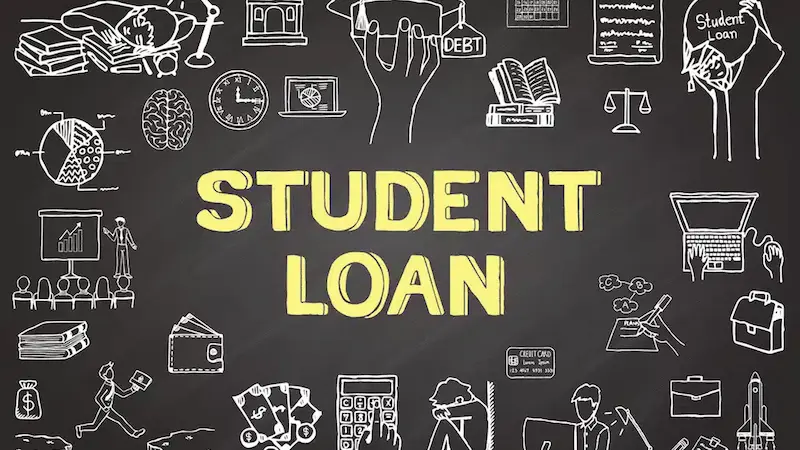
Navigating the complex landscape of student loans, cosigners, and financial aid requires careful consideration and planning. As tuition costs continue to escalate, understanding these financial tools is vital for students and their families. This article aims to shed light on the key aspects of student loans, the role of cosigners, and the options available for financial aid.

Applying for a credit card online can be a straightforward process if you follow the right steps. With the convenience of digital applications, consumers can compare, select, and apply for credit cards from the comfort of their homes. This guide provides a detailed methodology for applying for credit cards online while ensuring you make informed financial decisions.

Personal loans can be a valuable financial instrument for individuals seeking to cover unexpected expenses, consolidate debt, or finance significant purchases without a substantial down payment. This guide aims to provide an objective overview of personal loans, including their types, the approval process, and frequently asked questions.

Navigating the world of student loans can be a daunting task for many prospective and current students. Understanding the types of loans available, the application process, and the repayment strategies can significantly impact one's financial future. This guide aims to provide comprehensive and factual information about student loans, equipping readers with the knowledge needed to make informed decisions.

Credit cards are financial instruments that have become integral to modern consumerism. They offer convenience, flexibility, and numerous benefits, making them a popular choice for many. However, navigating the landscape of credit cards can be complex and daunting. This comprehensive guide aims to provide an objective overview of credit cards, their types, features, benefits, risks, and best practices for responsible use.

Debt management is a critical component of personal finance that can significantly impact an individual's financial stability and overall well-being. With the ever-evolving financial landscape, especially in the age of digitalization, individuals must explore effective online solutions to manage their debts better. Additionally, understanding interest rates is vital as it plays a significant role in determining the cost of borrowing. This article aims to provide practical insights into effective debt management, online resources, and tips regarding interest rates.

Fuel credit cards offer an excellent opportunity to tap into the potential for rewards and discounts specifically catered to fuel purchases. This article aims to provide an objective and professional overview of how to maximize savings with fuel credit cards, including tips for selecting the best card, understanding rewards programs, and avoiding common pitfalls.