Navigating the world of student loans can be a daunting task for many prospective and current students. Understanding the types of loans available, the application process, and the repayment strategies can significantly impact one's financial future. This guide aims to provide comprehensive and factual information about student loans, equipping readers with the knowledge needed to make informed decisions.

Federal student loans are public sector-funded loans that typically offer lower interest rates and more flexible repayment options compared to private loans. The main types of federal student loans include:
Private loans are offered by banks, credit unions, and other private lenders. Unlike federal loans, these often have higher interest rates, variable payment plans, and stricter credit requirements. It's advisable for students to exhaust federal loan options before considering private loans.
The application process for federal student loans primarily involves completing the Free Application for Federal Student Aid (FAFSA). Here are the steps:
Repayment of student loans can commence six months after graduation, leaving school, or dropping below half-time enrollment. Here are some repayment options:
Q: Do I have to repay my student loans if I go back to school?
A: If you return to school at least half-time, your federal loans may enter a deferment period, meaning you're not required to make payments while enrolled.
Q: Can I discharge student loans in bankruptcy?
A: Discharging student loans in bankruptcy is challenging. There must be a demonstration of undue hardship, and the process can be lengthy and complex.
Q: What if I can’t afford my monthly payments?
A: If you are struggling to make payments, consider contacting your loan servicer to explore options such as deferment, forbearance, or adjusting your repayment plan.
Understanding student loans is crucial for anyone pursuing higher education. By familiarizing yourself with the types of loans, the application process, and the available repayment strategies, students can make informed financial decisions that align with their future goals. For more detailed information and resources, consider visiting the following websites:
National Student Loan Data System
This guide aims to empower students and families to navigate the complexities of student loans effectively and responsibly.






This guide explains how to evaluate bank accounts online and pursue account-opening bonuses with major US banks, including conditions, timing, and practical steps. “Ade Sara” appears here as a brand placeholder commonly used by searchers. Objectively, bank bonuses typically require qualifying direct deposits and time-bound account activity, and offers may change.
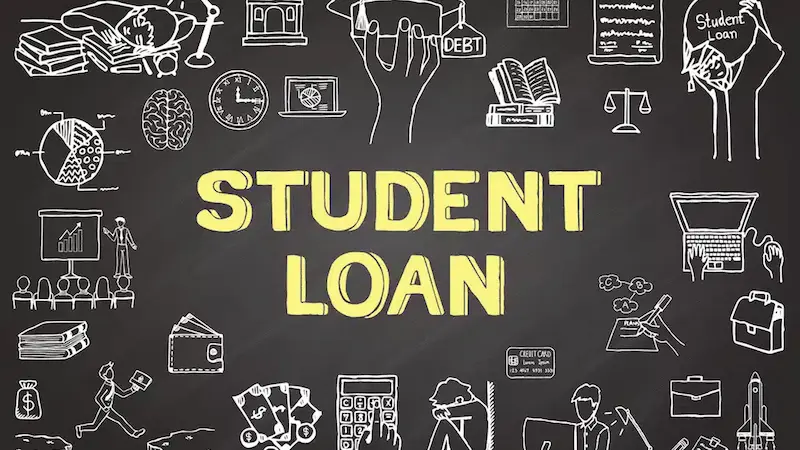
Navigating the complex landscape of student loans, cosigners, and financial aid requires careful consideration and planning. As tuition costs continue to escalate, understanding these financial tools is vital for students and their families. This article aims to shed light on the key aspects of student loans, the role of cosigners, and the options available for financial aid.

Applying for a credit card online can be a straightforward process if you follow the right steps. With the convenience of digital applications, consumers can compare, select, and apply for credit cards from the comfort of their homes. This guide provides a detailed methodology for applying for credit cards online while ensuring you make informed financial decisions.

Personal loans can be a valuable financial instrument for individuals seeking to cover unexpected expenses, consolidate debt, or finance significant purchases without a substantial down payment. This guide aims to provide an objective overview of personal loans, including their types, the approval process, and frequently asked questions.

Credit cards are financial instruments that have become integral to modern consumerism. They offer convenience, flexibility, and numerous benefits, making them a popular choice for many. However, navigating the landscape of credit cards can be complex and daunting. This comprehensive guide aims to provide an objective overview of credit cards, their types, features, benefits, risks, and best practices for responsible use.

Debt management is a critical component of personal finance that can significantly impact an individual's financial stability and overall well-being. With the ever-evolving financial landscape, especially in the age of digitalization, individuals must explore effective online solutions to manage their debts better. Additionally, understanding interest rates is vital as it plays a significant role in determining the cost of borrowing. This article aims to provide practical insights into effective debt management, online resources, and tips regarding interest rates.

Applying for a credit card can be a pivotal decision in one’s financial journey. A credit card can be a powerful tool that provides convenience, rewards, and opportunities for building a good credit score. However, without careful consideration, it can also lead to debt accumulation and financial strain. This article offers practical tips for navigating the credit card application process successfully.

Fuel credit cards offer an excellent opportunity to tap into the potential for rewards and discounts specifically catered to fuel purchases. This article aims to provide an objective and professional overview of how to maximize savings with fuel credit cards, including tips for selecting the best card, understanding rewards programs, and avoiding common pitfalls.