This comprehensive guide delves into the intricacies of dental implants, providing a global perspective with a special focus on Implantswiss. Dental implants, a pivotal advancement in restorative dentistry, offer solutions for missing teeth, aiding in oral health and functionality. This article navigates through cost-effective solutions, global pricing comparisons, and the role of Implantswiss in elevating dental care standards internationally.
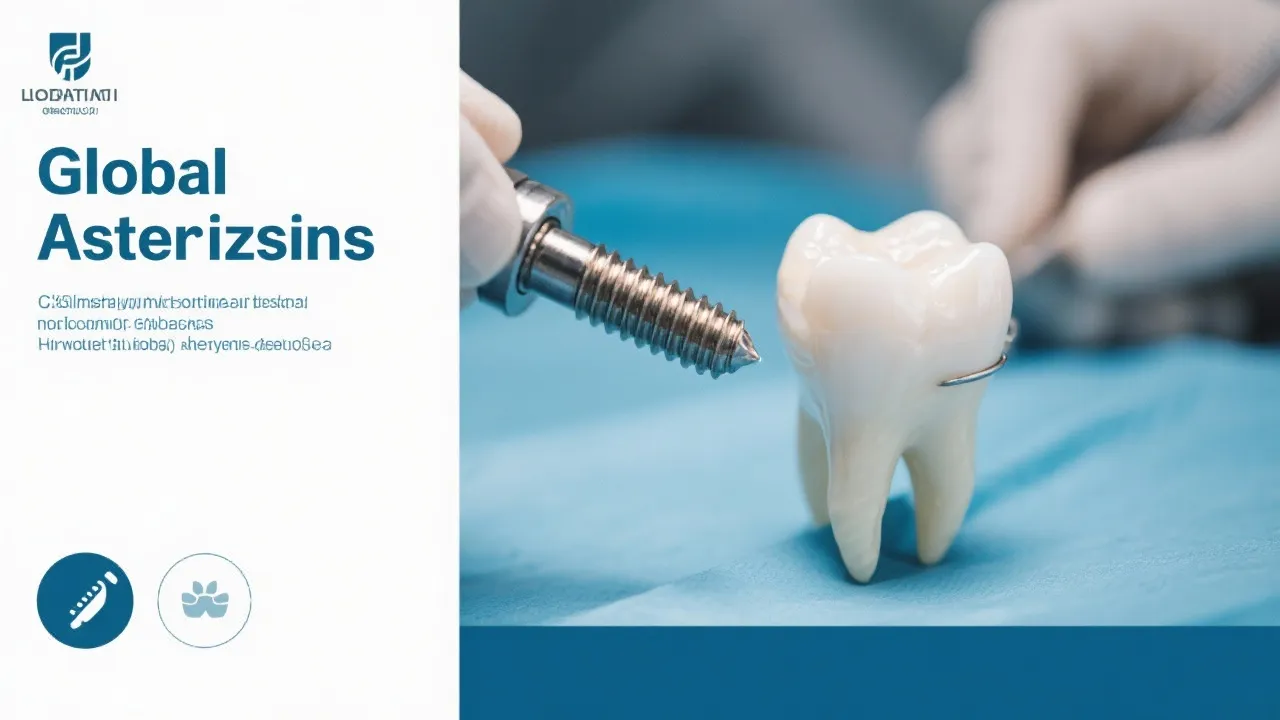
Dental implants have revolutionized the field of restorative dentistry by offering practical solutions for patients with missing teeth. These fixtures provide support, enhance aesthetics, and contribute to oral health. Implantswiss, at the forefront of this innovation, delivers high-quality dental implant components known for precision and durability, aiding dentists in achieving optimal outcomes.
Dental implants are not just a cosmetic fix; they play a crucial role in oral health. When a tooth is lost, the underlying jawbone begins to deteriorate over time due to lack of stimulation. Dental implants provide the necessary support to your jawbone, which can help maintain its structure and density. This is significant because the integrity of the jawbone affects not only your facial structure but also the overall function of your mouth. With a dental implant, you can avoid the sunken appearance that typically accompanies missing teeth, maintaining your facial aesthetics.
Implantswiss is renowned for its state-of-the-art dental implant systems that prioritize patient comfort and implant longevity. The company’s dedication to quality ensures that dentists can reliably use their products to enhance surgical outcomes and patient satisfaction. As dental implants become increasingly popular, Implantswiss continues to innovate, integrating the latest research and technology into their manufacturing processes.
One of the key innovations that Implantswiss has introduced is the use of advanced materials that improve the osseointegration process, which is the bond between the implant and the bone. Unlike older materials, these advanced titanium alloys enhance the strength and stability of the implant, thus leading to higher success rates. The company also focuses on producing implants with different surface textures and coatings, optimizing the healing process. This is particularly crucial for patients who may have complex dental needs or those who have suffered bone loss due to periodontal disease.
Obtaining dental implants can involve significant costs, which often deters many patients. However, various clinics and platforms offer low-cost solutions without compromising on quality. Dental Views, Atlantic Dental Group, and DentaVacation are some services offering cost-effective dental implant solutions across English-speaking nations.
It's important for patients to remember that while the upfront cost of dental implants may seem high, they are a long-term investment in your oral health. The durability and effectiveness of dental implants can lead to fewer dental issues in the future, potentially saving patients money in the long run. Hence, exploring affordable options is critical, but so is ensuring that these options do not compromise the quality of care.
| Website | Features |
|---|---|
| Dental Views | Low-cost solutions, comprehensive treatment plans, financing options available |
| Atlantic Dental Group | Wide range of services, easy appointment booking, experienced dental professionals |
| DentaVacation | Dental tourism with cost-saving options, packages that include travel and accommodation |
Source:
Sourcing dental implants at an affordable rate often requires a combination of local and international research. In English-speaking countries, patients can explore clinics that offer competitive pricing. For instance, participating in dental tourism can substantially reduce treatment expenses. Dental insurance plans, such as those offered by ADHP, can also aid in minimizing out-of-pocket expenses for procedures.
Moreover, many clinics are encouraged to provide financing plans or in-house payment solutions, making implants accessible to a greater number of patients. Some offices may even run promotions or seasonal discounts, contributing to making quality dental care more affordable. Patients should inquire about any existing deals and whether they can take advantage of financing programs tailored for dental procedures.
It is essential for potential patients to understand the cost variations across different regions. Below is a detailed table highlighting the general range for dental implants globally:
| Country | Currency | Price Range |
|---|---|---|
| United States | USD | $3,000 - $6,000 |
| United Kingdom | GBP | £2,000 - £2,500 |
| Australia | AUD | AU$3,500 - AU$6,500 |
| Canada | CAD | CA$3,000 - CA$5,500 |
| Mexico | MXN | $700 - $1,500 |
| Turkey | TRY | ₺1,500 - ₺3,000 |
This comparison highlights a significant disparity in prices, indicating that patients looking for quality dental care can benefit greatly from understanding their options. The United States and Canada exhibit the highest costs, which could deter many individuals from seeking treatment. However, alternatives in Mexico and Turkey not only provide significant savings but also boast dental clinics that adhere to high standards of hygiene and care.
What are dental implants?
Dental implants are artificial tooth roots, usually made of titanium, surgically placed into the jawbone to support a replacement tooth or bridge. They serve as a stable foundation for fixed (permanent) or removable replacement teeth designed to blend seamlessly with your natural teeth.
How long do dental implants last?
With proper care, dental implants can last a lifetime, although the crown may need replacement after 10–15 years. Factors influencing their longevity include oral hygiene, regular dental check-ups, and overall health of the individual. Patients with conditions such as diabetes or osteoporosis might need to discuss additional considerations with their dentist.
Are dental implants safe?
Yes, dental implants are considered a safe and reliable treatment option. They have a high success rate, often reported to be between 90% and 95%. Nevertheless, as with any surgical procedure, there are risks involved, including infection, nerve injury, and sinus issues. Discussing potential risks with your dental provider prior to the procedure is essential.
What is the recovery process like after dental implants?
Recovery from dental implant surgery involves some downtime. Patients may experience soreness and swelling, which can typically be managed with pain medications prescribed by the dentist. Most individuals can resume normal activities within a few days; however, full healing and osseointegration can take several months. Regular follow-ups are necessary to ensure everything is healing correctly.
Implantswiss continues to set a high standard in dental implant technology, supporting both patients and dental professionals. Their commitment to adapting to modern needs has made them a trusted name in the industry. As costs vary widely, it's critical for individuals considering dental implants to research all available options, potentially engaging with insurance providers or considering dental tourism.
Additionally, educated patients are empowered to make better decisions. By understanding the different aspects of dental implants, including types, brands, and the factors that influence success, prospective patients are better prepared to navigate their dental health. The growing network of affordable care options and the increasing quality of global dental services ensure that beautiful smiles are within reach for everyone.
References






Tooth loss can significantly affect not only an individual's appearance but also their overall oral health. When a tooth is lost, the surrounding teeth can shift, leading to misalignment, increased plaque buildup, and potential periodontal issues. This article will discuss how dental implants can maintain oral health after tooth loss and provide practical guidance for individuals considering this restorative option.
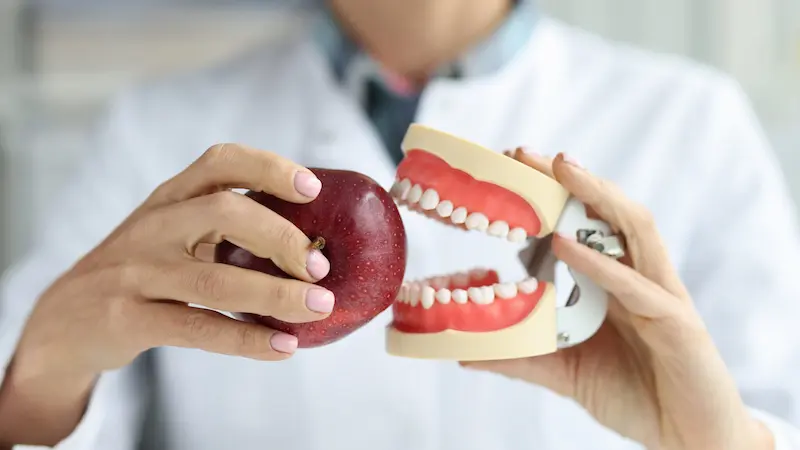
As society advances, the significance of oral health, particularly among the elderly population, has garnered increasing attention. One of the essential developments in this realm is the emergence of dental implants, which provide a viable solution for individuals suffering from tooth loss.
This article aims to provide an objective overview of the benefits, maintenance, and best practices related to dental implants for the elderly, enabling them to maintain optimal oral health.
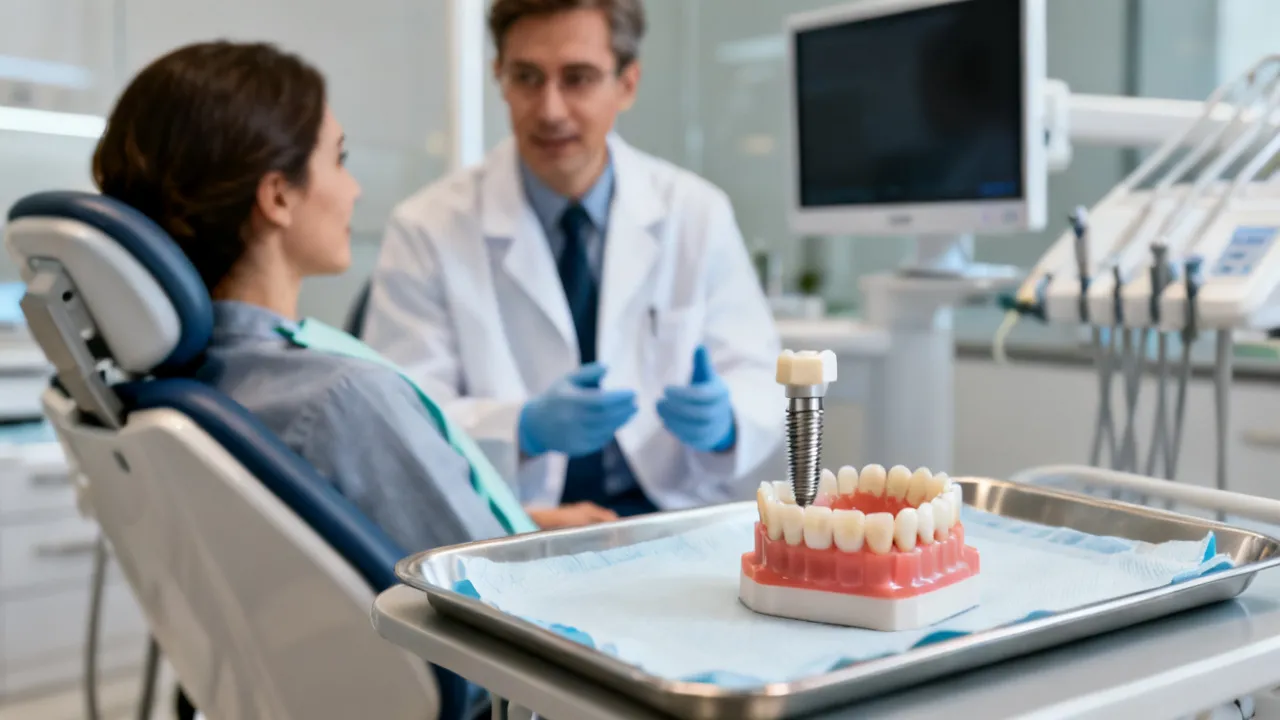
This guide explains what people usually mean by “Affordable Dental Implants,” outlines the realities of implant treatment pathways, and shows how to reduce total costs through low-cost implant programs, insurance, and dental tourism. It also compares example cost ranges across regions and provides an expert checklist before you commit.
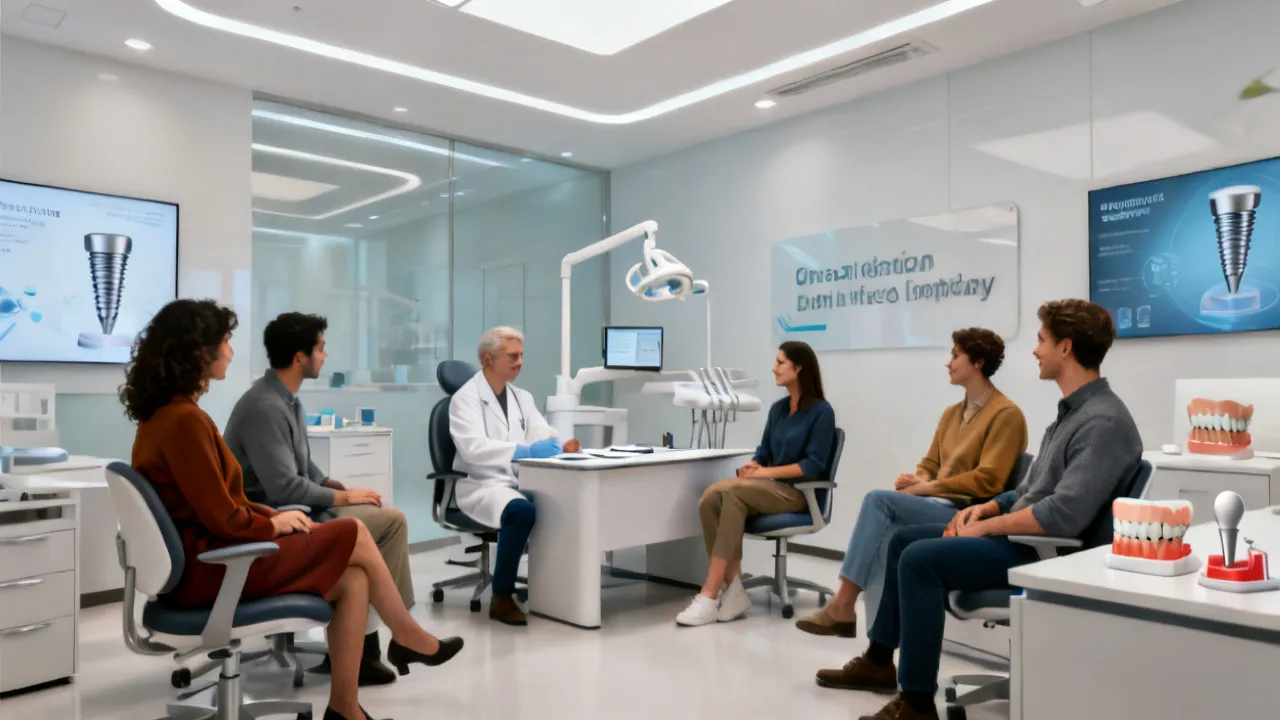
This guide explains how people evaluate Affordable Dental Implants options that may involve discount programs, insurance coordination, or treatment financing. It reviews what dental implant care typically includes, common price drivers, and how to compare providers using objective criteria. You’ll also find cost ranges by country, a step-by-step plan for pursuing lower-cost implant treatment, and practical FAQs.
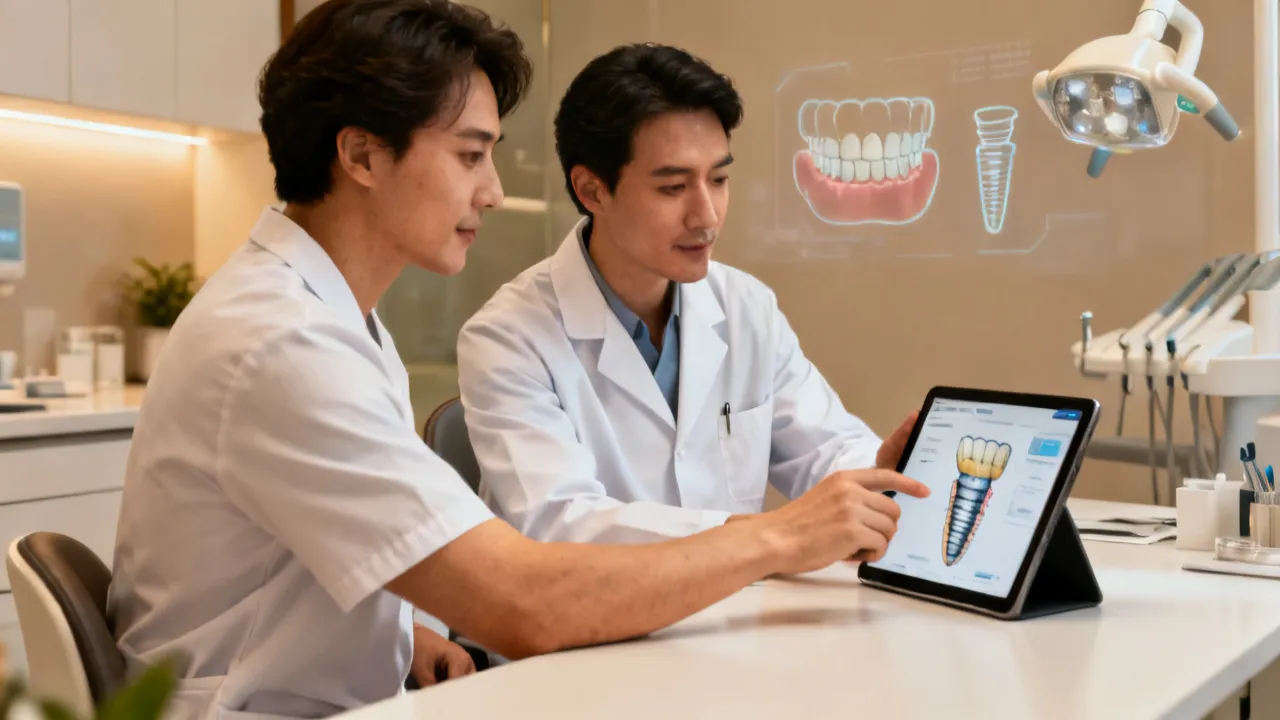
This guide explains how “Affordable Dental Implants” programs typically work in real-world dental care. It reviews objective options such as low-cost implant pathways, dental tourism considerations, and insurance-style plans, then outlines eligibility factors, selection criteria, and a practical cost-range overview across major English-, Spanish-, and Portuguese-speaking markets.
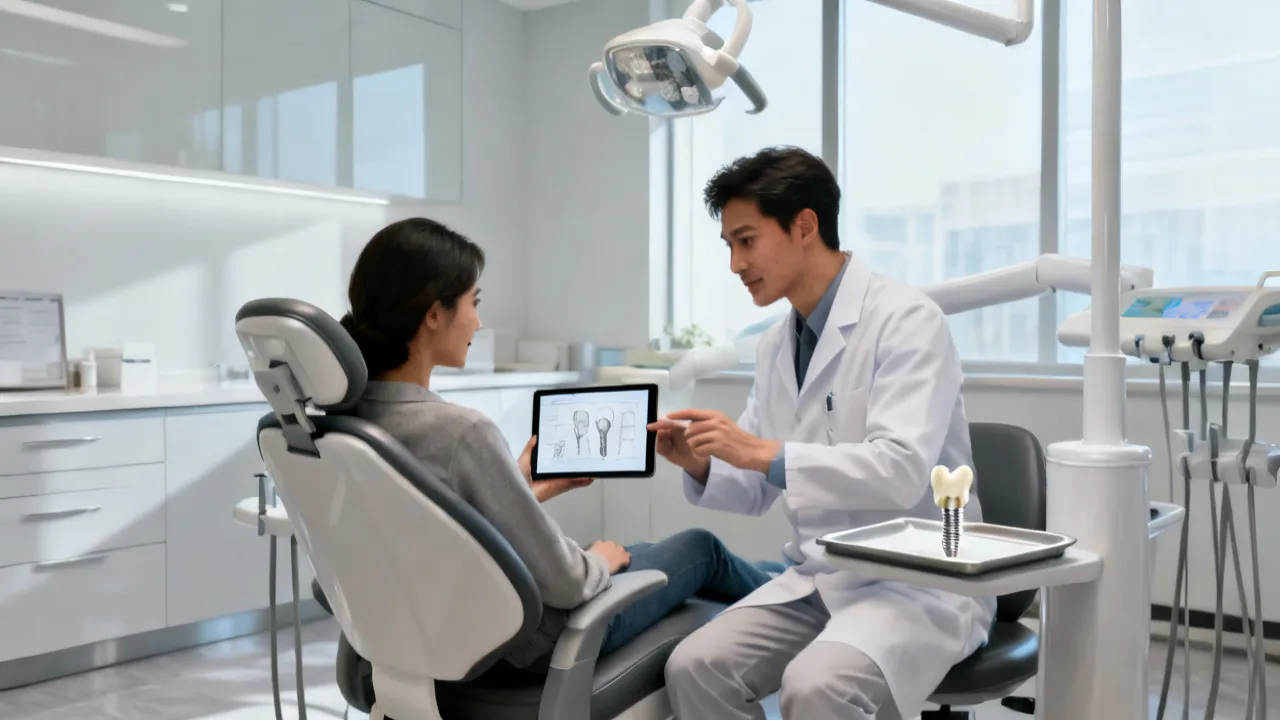
This guide explains how “Affordable Dental Implants” offers are typically structured and what patients should verify before scheduling. It also compares reputable low-cost implant information sources, outlines step-by-step pathways to reduce implant expenses, and provides practical cost-range benchmarks across major English-, Spanish-, and Portuguese-speaking countries.
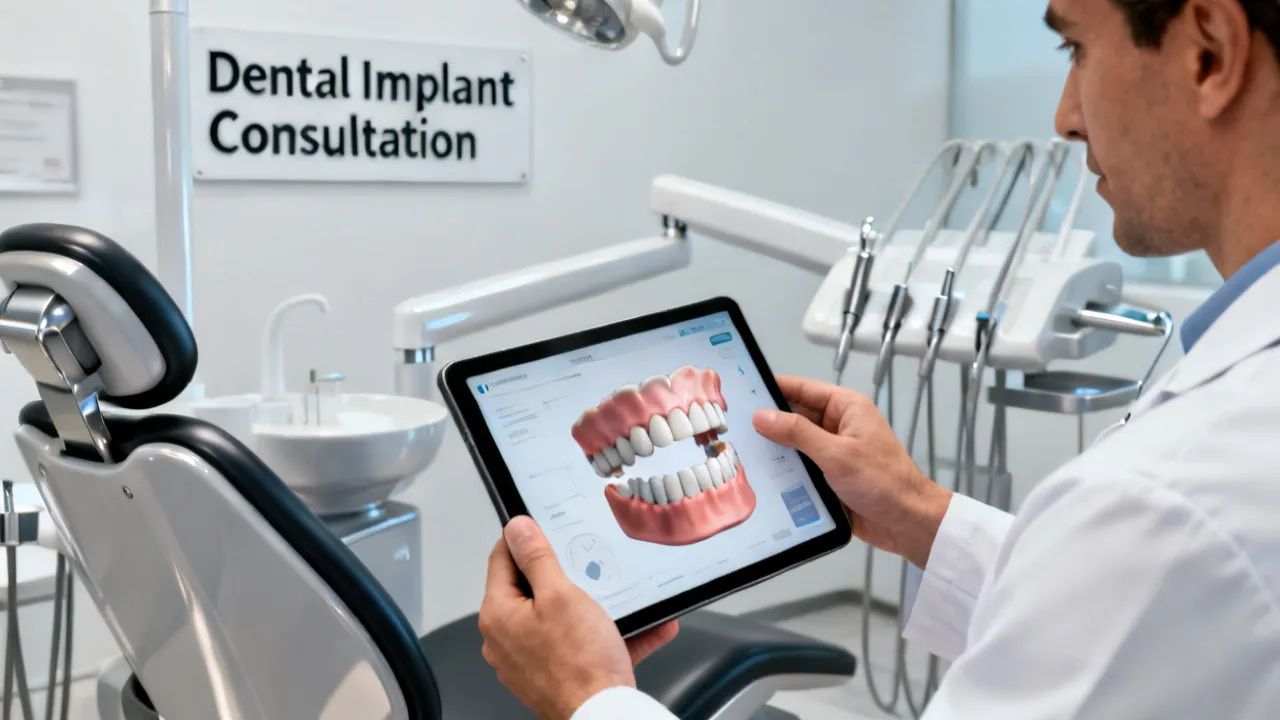
This expert guide explains how “dental implants” can be financed or obtained through lower-cost pathways, including clinic promotions, insurance planning, and dental tourism. It also compares information sources for cost-focused implant care, outlines practical steps for evaluating providers, and reviews typical single-implant cost ranges across major language regions.
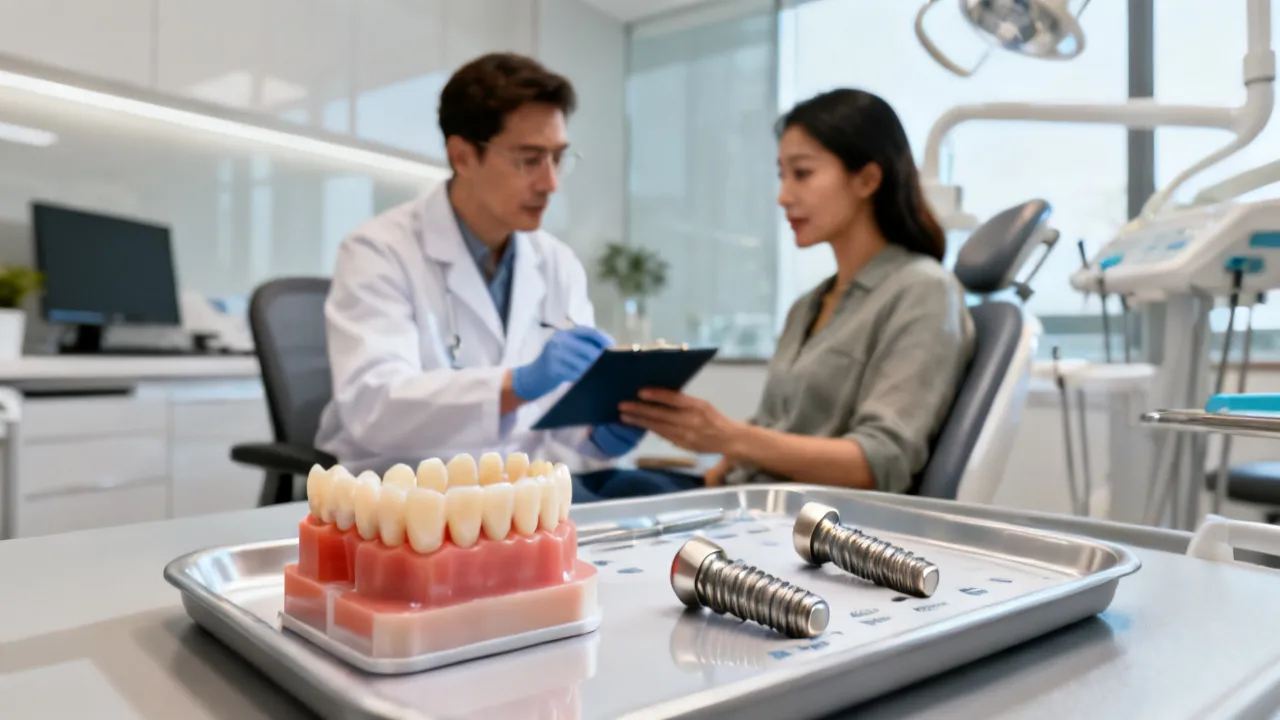
This guide explains Affordable Dental Implants options and how “low-cost” implant pathways work in English-, Spanish-, and Portuguese-speaking regions. It covers what to expect clinically, how pricing is structured, and how patients can plan for affordability through insurance, financing, and dental tourism. Clear cost ranges, vetted resources, and FAQs are included.