As society advances, the significance of oral health, particularly among the elderly population, has garnered increasing attention. One of the essential developments in this realm is the emergence of dental implants, which provide a viable solution for individuals suffering from tooth loss.
This article aims to provide an objective overview of the benefits, maintenance, and best practices related to dental implants for the elderly, enabling them to maintain optimal oral health.
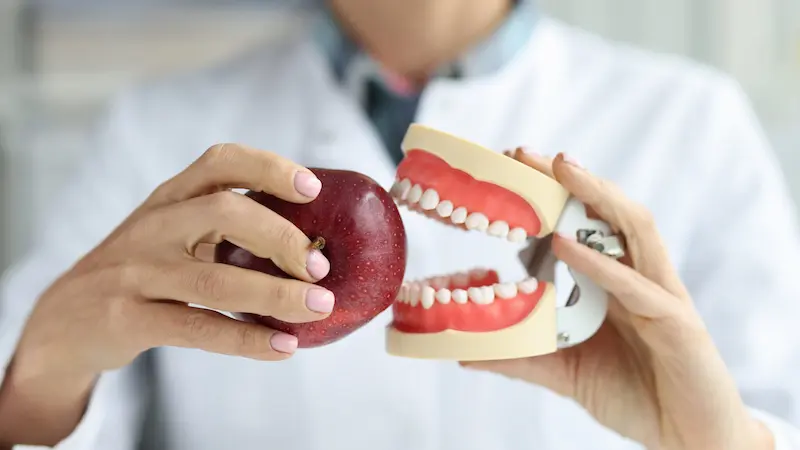
Dental implants are titanium posts surgically placed into the jawbone to serve as artificial tooth roots. Once integrated with the bone, these posts can support crowns, bridges, or dentures, offering a stable base for replacement teeth. For the elderly, dental implants can restore functionality, allowing individuals to eat, speak, and smile with confidence.
Benefits of Dental Implants for the ElderlyImproved Aesthetic Appeal: Dental implants can significantly enhance the appearance of a person's smile, restoring lost confidence.Increased Comfort and Functionality: Unlike removable dentures, dental implants are anchored to the jawbone and eliminate discomfort and inconvenience.Preservation of Jawbone Health: The stimulation provided by dental implants can help maintain bone density in the jaw, preventing deterioration that often accompanies tooth loss.Long-term Solution: With proper care, dental implants can last a lifetime, making them a cost-effective solution in the long run.
Maintaining oral health with dental implants requires a regular regimen and attention to various factors:
Q: How long do dental implants last?
A: With proper care and maintenance, dental implants can last a lifetime. Regular dental visits and good oral hygiene significantly contribute to their longevity.
Q: Can anyone get dental implants?
A: Most elderly individuals are candidates for dental implants; however, a thorough evaluation by a dentist is necessary to assess bone density and overall health.
Q: Are dental implants painful?
A: The procedure may involve some discomfort, but local anesthesia and sedatives are used to minimize pain. Post-surgery, most patients experience manageable discomfort.
Q: How much do dental implants cost?
A: The cost of dental implants varies based on location, dentist expertise, and complexity of the case. Insurance may cover part of the expenses, so consulting with a provider is recommended.
Dental implants offer a significant improvement in oral health and quality of life for the elderly. By adhering to proper maintenance practices and regularly consulting with dental professionals, seniors can ensure that their implants serve them effectively for years to come. As advancements in dental technology continue, it is crucial for elderly individuals to consult with their healthcare providers to explore options that best suit their needs.






Tooth loss can significantly affect not only an individual's appearance but also their overall oral health. When a tooth is lost, the surrounding teeth can shift, leading to misalignment, increased plaque buildup, and potential periodontal issues. This article will discuss how dental implants can maintain oral health after tooth loss and provide practical guidance for individuals considering this restorative option.
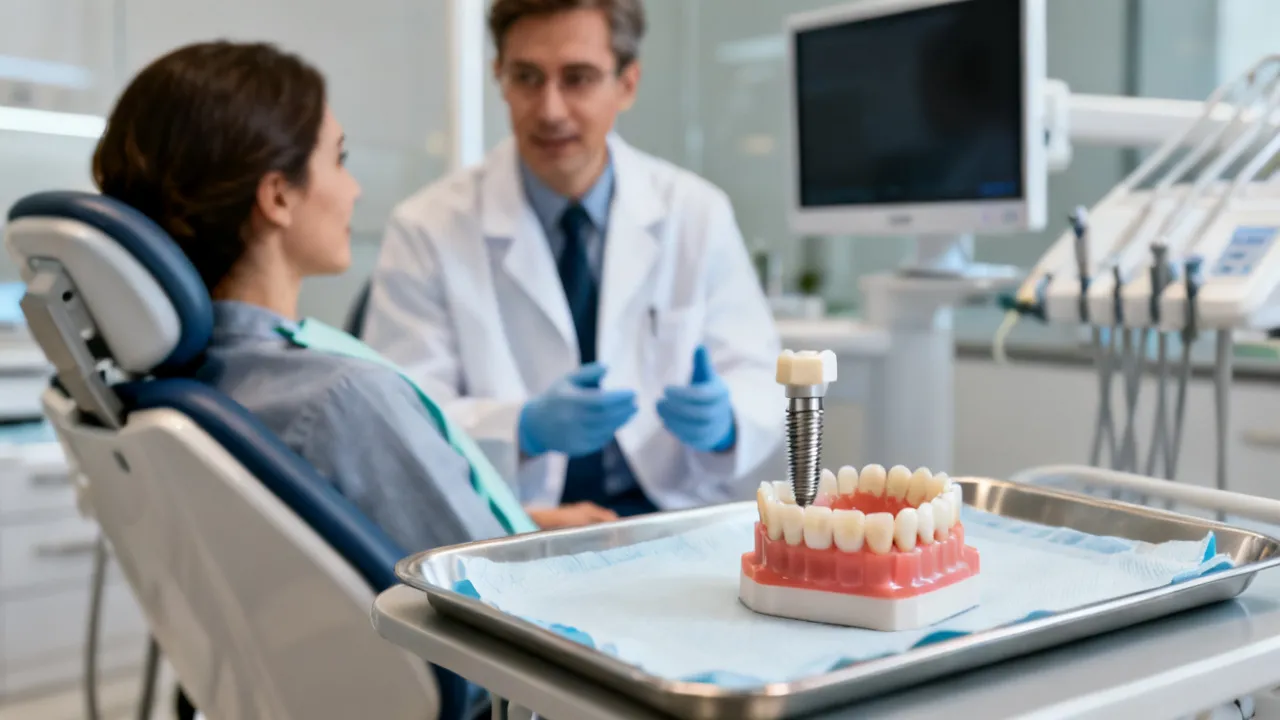
This guide explains what people usually mean by “Affordable Dental Implants,” outlines the realities of implant treatment pathways, and shows how to reduce total costs through low-cost implant programs, insurance, and dental tourism. It also compares example cost ranges across regions and provides an expert checklist before you commit.
This guide explains how people evaluate Affordable Dental Implants options that may involve discount programs, insurance coordination, or treatment financing. It reviews what dental implant care typically includes, common price drivers, and how to compare providers using objective criteria. You’ll also find cost ranges by country, a step-by-step plan for pursuing lower-cost implant treatment, and practical FAQs.
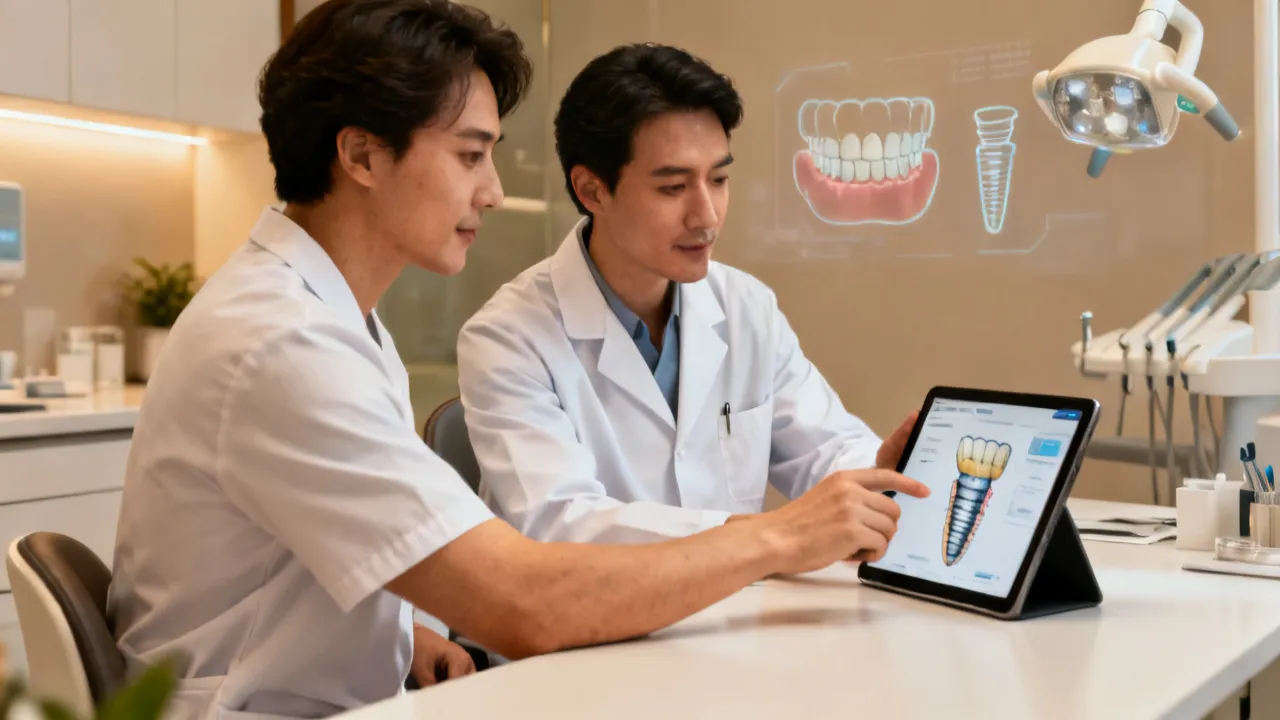
This guide explains how “Affordable Dental Implants” programs typically work in real-world dental care. It reviews objective options such as low-cost implant pathways, dental tourism considerations, and insurance-style plans, then outlines eligibility factors, selection criteria, and a practical cost-range overview across major English-, Spanish-, and Portuguese-speaking markets.
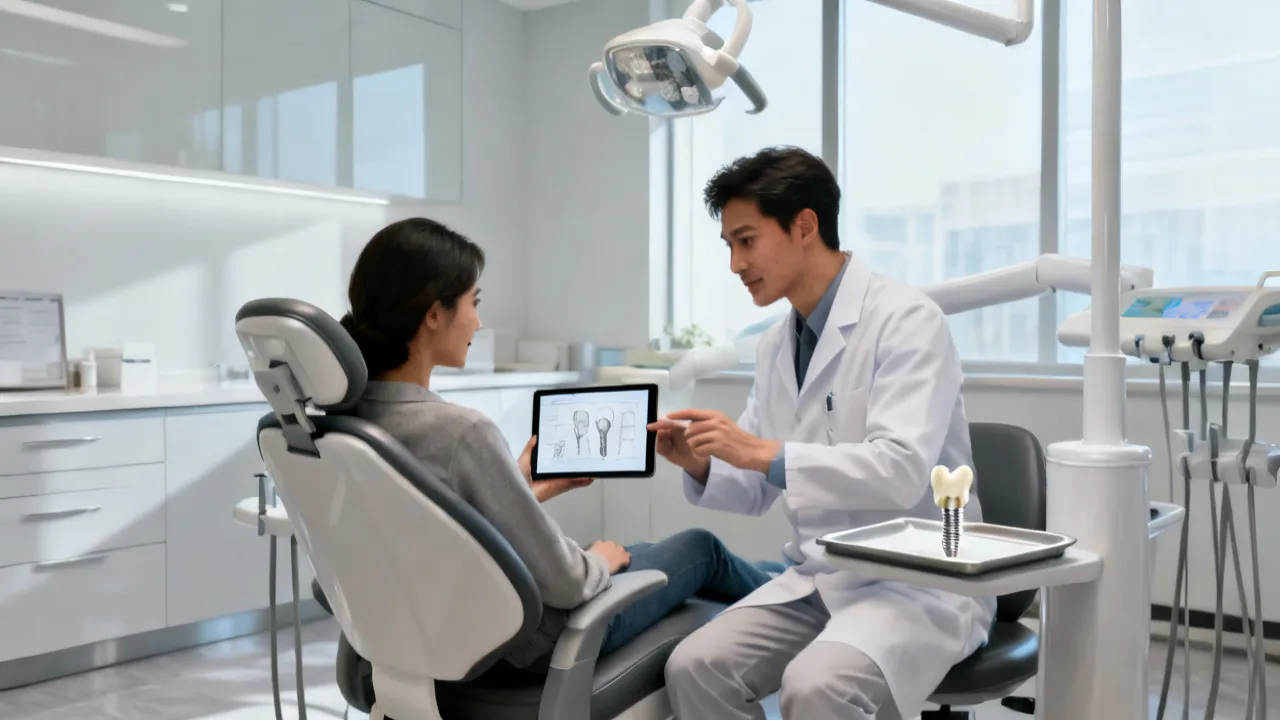
This guide explains how “Affordable Dental Implants” offers are typically structured and what patients should verify before scheduling. It also compares reputable low-cost implant information sources, outlines step-by-step pathways to reduce implant expenses, and provides practical cost-range benchmarks across major English-, Spanish-, and Portuguese-speaking countries.
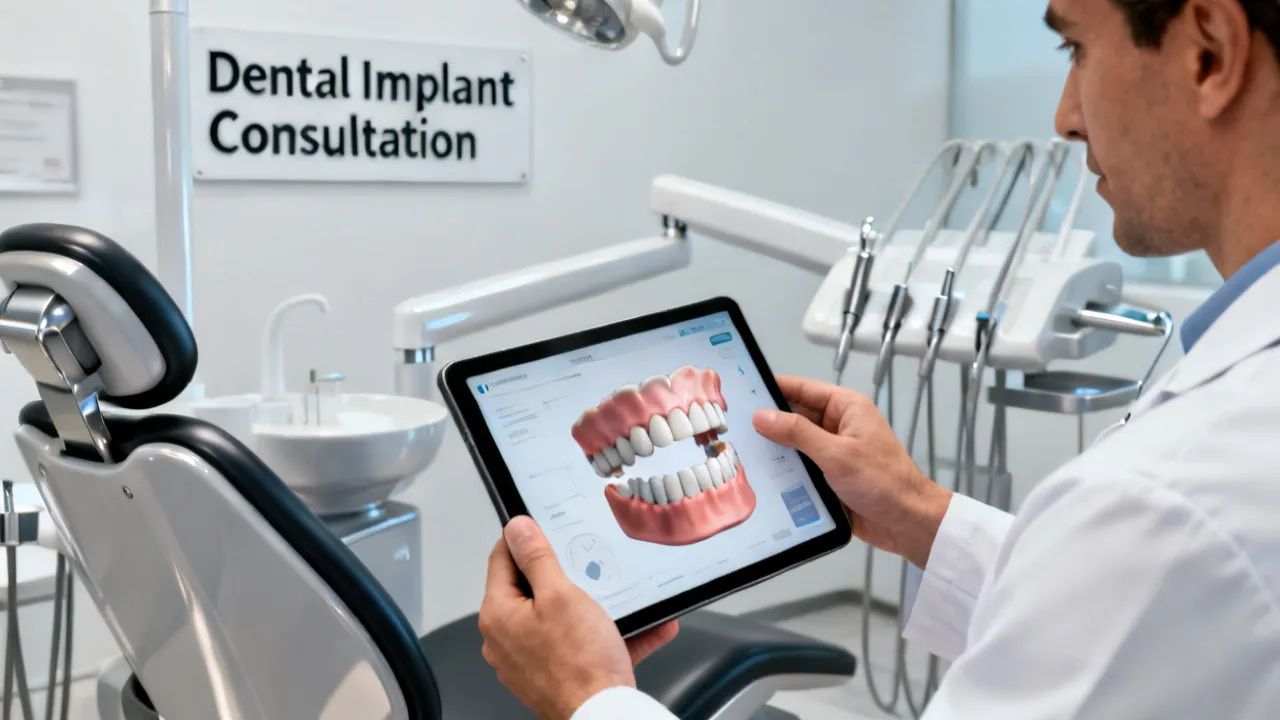
This expert guide explains how “dental implants” can be financed or obtained through lower-cost pathways, including clinic promotions, insurance planning, and dental tourism. It also compares information sources for cost-focused implant care, outlines practical steps for evaluating providers, and reviews typical single-implant cost ranges across major language regions.
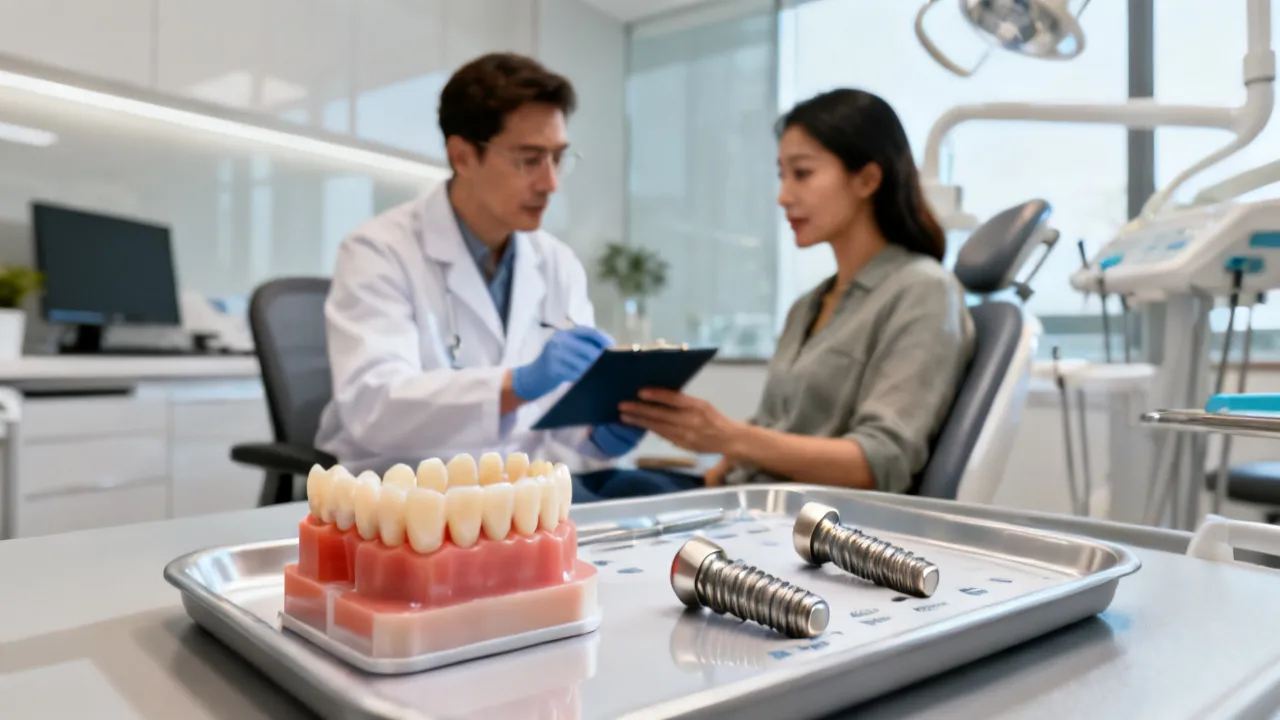
This guide explains Affordable Dental Implants options and how “low-cost” implant pathways work in English-, Spanish-, and Portuguese-speaking regions. It covers what to expect clinically, how pricing is structured, and how patients can plan for affordability through insurance, financing, and dental tourism. Clear cost ranges, vetted resources, and FAQs are included.
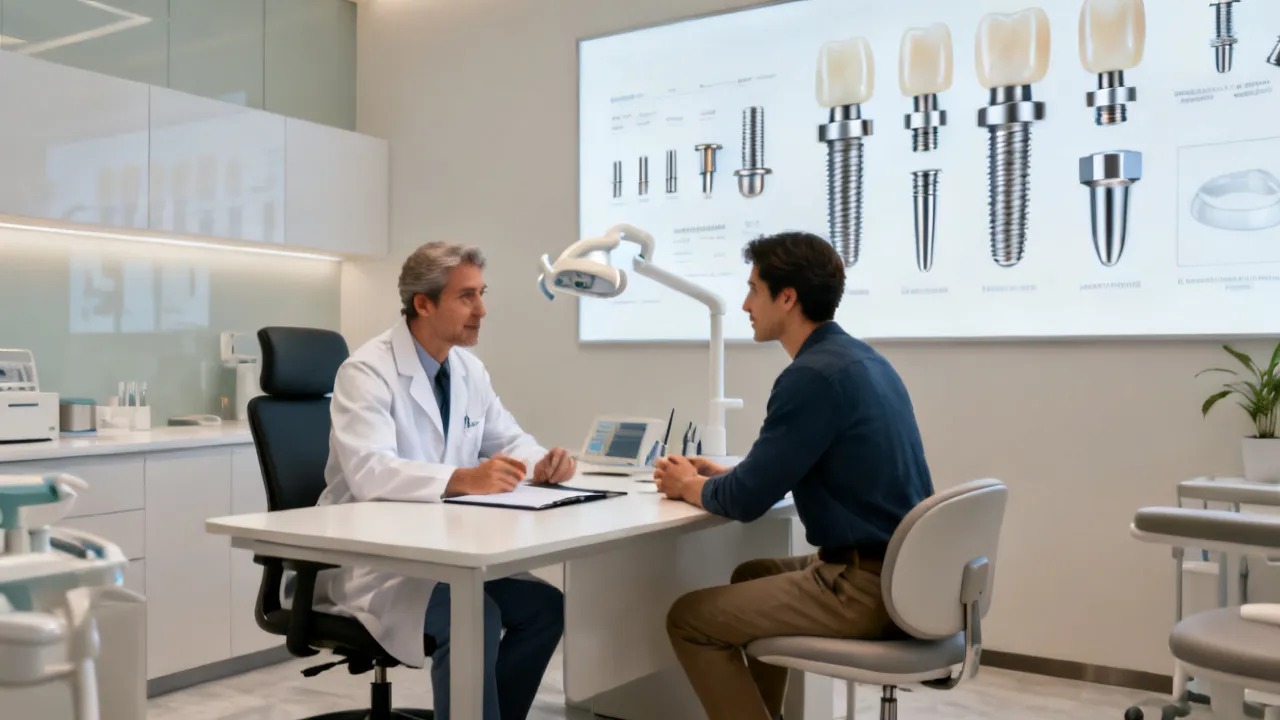
This guide explains how patients can pursue dental implant treatments at lower cost—covering clinical considerations, planning steps, and region-specific price ranges. It also summarizes reputable online resources and provides a practical checklist for evaluating implant providers. The goal is objective clarity on cost, quality, and decision-making.