This guide offers an in-depth exploration of Implantswiss and its role in advancing dental implant solutions. Implantswiss is renowned for its innovative approach to dental implants, providing a blend of advanced technology and high-quality materials to improve patient outcomes. Discover the benefits of dental implants, cost considerations, and how Implantswiss is setting benchmarks in dentistry worldwide.
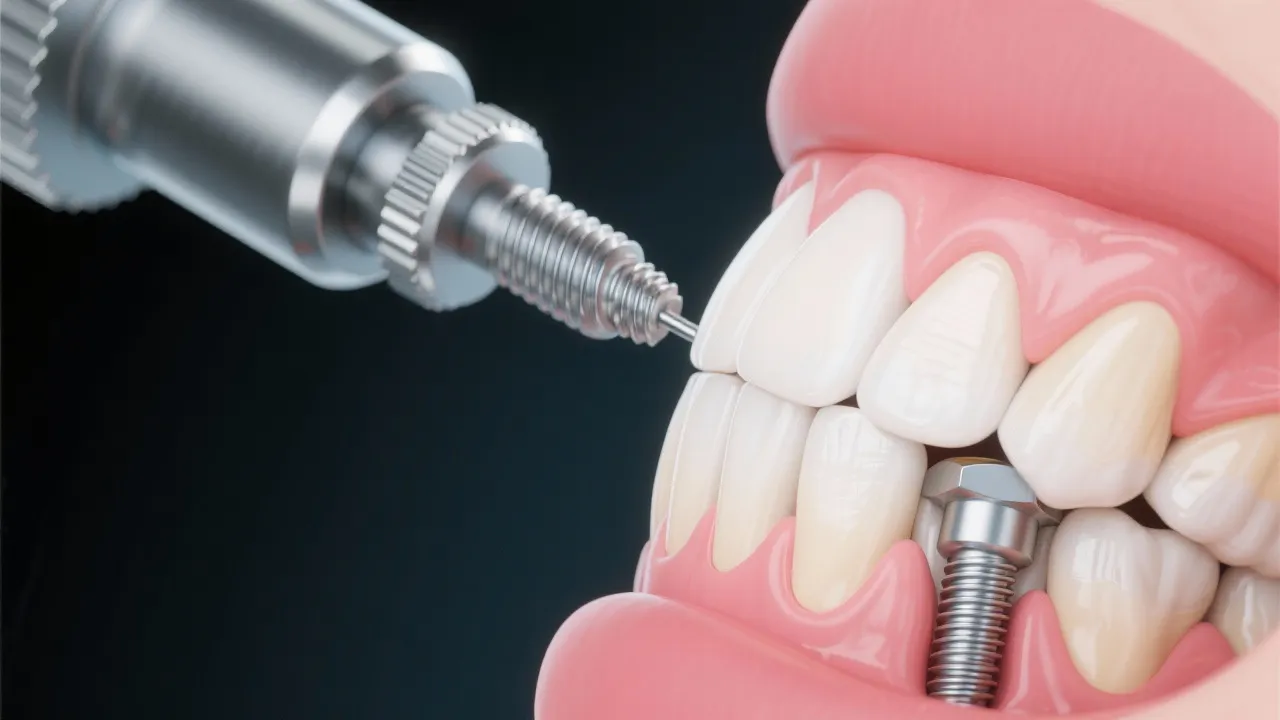
With the evolution of modern dentistry, dental implants have become the preferred choice for replacing missing teeth, offering both durability and a natural appearance. These implants not only enhance aesthetics but also restore functionality, allowing individuals to enjoy their favorite foods without the fear of discomfort or embarrassment associated with traditional dentures or bridges. Among various providers, Implantswiss stands out for its precision in manufacturing and the high success rates of its implants, thanks to their use of cutting-edge technology.
Implantswiss, a distinguished name in the dental industry, merges Swiss precision with the latest advancements in dental implant technology. Known for its research-driven approach, Implantswiss provides solutions that are not only high in quality but also cost-effective, appealing to both dentists and patients worldwide. The company continuously invests in R&D to ensure that their products are at the forefront of dental technology. Their implants are designed to integrate seamlessly with the jawbone, mimicking the natural tooth root structure and promoting optimal oral health. Furthermore, their commitment to sustainability is reflected in their environmentally conscious manufacturing processes, setting them apart as a responsible leader in the dental field.
While the cost of dental implants varies significantly across different regions, it largely depends on the complexity of the case, the materials used, and the expertise of the dental professional. Additionally, factors such as pre-operative assessments, imaging studies, and post-operative care can add to the overall expense. Here’s a brief overview of dental implant costs in English-speaking countries:
| Country | Currency | Price Range |
|---|---|---|
| United States | USD | $3,000 - $6,000 |
| United Kingdom | GBP | £2,000 - £2,500 |
| Australia | AUD | AU$3,500 - AU$6,500 |
| Canada | CAD | $2,500 - $5,000 |
| New Zealand | NZD | $3,000 - $7,000 |
For those seeking more affordable options, several resources can guide patients to lower costs without sacrificing quality:
Implantswiss's global reach is evident as it adapts its products for different regulations and preferences in various regions. For instance, their systems are highly favored in Germany and the UK due to stringent quality standards similar to Implantswiss's ethos. Regional aesthetics also play a role; for instance, certain areas may prioritize porcelain crowns for a more tooth-like appearance, while others may favor alternative materials. In regions heavily reliant on insurance, Implantswiss works collaboratively with insurers to ensure that patients can afford top-tier dental solutions through coverage options.
Patients looking for economical options can explore several approaches that can lead them to affordable implant procedures:
Q: Are dental implants worth the investment?
A: Absolutely, given their durability, aesthetic appeal, and health benefits, implants can be a valuable investment for good oral health. Over time, the cost savings associated with less frequent replacements and restorative care can provide financial justifications for the initial investment.
Q: What are the key differences between dental implants and bridges?
A: Implants do not require modifying adjacent teeth unlike bridges, preserving overall dental health directly. Bridges place additional stress on neighboring teeth, which can lead to future complications, while implants offer a standalone solution that helps maintain the integrity of the dental structure.
Q: How long is the recovery period for dental implants?
A: Initial healing takes about 1-2 weeks, with complete osseointegration occurring over a few months. Patients are often advised to follow specific post-operative care guidelines during this time, focusing on oral hygiene and nutritional intake to promote healing.
Q: Can anyone get dental implants?
A: Most adults are candidates for implants; however, factors such as medical history, bone density, and overall oral health can influence eligibility. Those considering implants should consult with their dentist to assess suitability and potential need for preliminary procedures like bone grafting.
Q: What is the process of getting dental implants?
A: The process typically includes an initial consultation, imaging studies (like X-rays or CT scans), surgical placement of the implant, a healing period for integration, and finally, placement of the crown or prosthetic. The entire process can take several months, but many find the wait worthwhile for the benefits they reap.
As the demand for dental implants continues to grow globally, Implantswiss remains at the forefront, continuously innovating to deliver robust and reliable dental solutions. Their commitment to quality assures both practitioners and patients of the utmost standards in dental care. Moreover, the globalization of dental practice standards encourages cross-border learning and technology sharing, which fosters improvement in patient outcomes and satisfaction. Countries with advanced dental practices often share best practices and research findings, improving the quality of care and easing accessibility for patients everywhere. Furthermore, ongoing studies worldwide seek to enhance materials and techniques used in dental implants, promising even greater success rates and patient satisfaction in the future.
Dental implants represent a significant advancement in restorative dentistry, providing patients with an effective and long-lasting solution for missing teeth. Their numerous benefits, from improved aesthetics to better oral health, make them an attractive choice for many individuals. Implantswiss exemplifies the potential of dental innovation, leading the industry with high-quality products and a commitment to excellence. As awareness around dental implants rises globally, more patients are expected to explore this option, appreciating the blend of science, technology, and artistry in regaining their smiles. With diligent research and thoughtful consideration, finding high-quality, affordable dental implants has never been more attainable, paving the way for healthier, happier smiles worldwide.
1) The above information comes from online resources, and the data is as of October 2023. 2) Dental implant prices are for reference only and may vary by region, clinic, and doctor. Patients should conduct thorough research and consult their dental providers for the most accurate and personalized information regarding treatment options and costs.





Tooth loss can significantly affect not only an individual's appearance but also their overall oral health. When a tooth is lost, the surrounding teeth can shift, leading to misalignment, increased plaque buildup, and potential periodontal issues. This article will discuss how dental implants can maintain oral health after tooth loss and provide practical guidance for individuals considering this restorative option.
As society advances, the significance of oral health, particularly among the elderly population, has garnered increasing attention. One of the essential developments in this realm is the emergence of dental implants, which provide a viable solution for individuals suffering from tooth loss.
This article aims to provide an objective overview of the benefits, maintenance, and best practices related to dental implants for the elderly, enabling them to maintain optimal oral health.
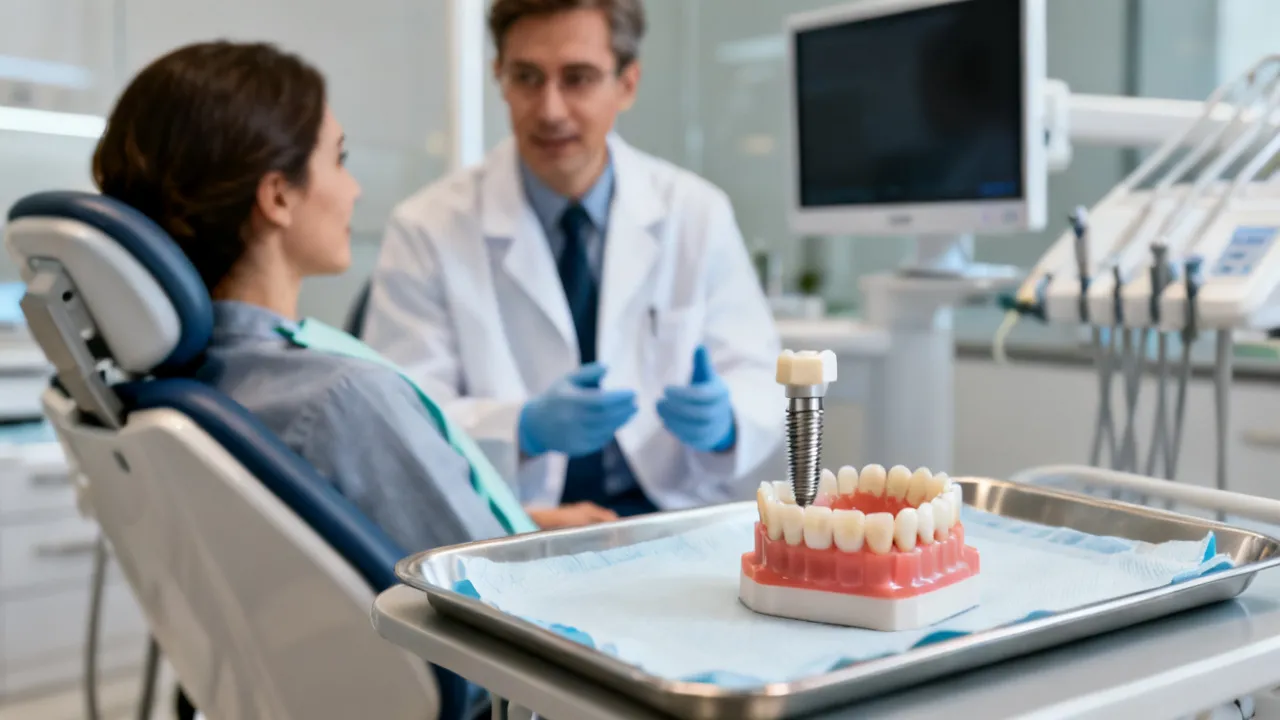
This guide explains what people usually mean by “Affordable Dental Implants,” outlines the realities of implant treatment pathways, and shows how to reduce total costs through low-cost implant programs, insurance, and dental tourism. It also compares example cost ranges across regions and provides an expert checklist before you commit.
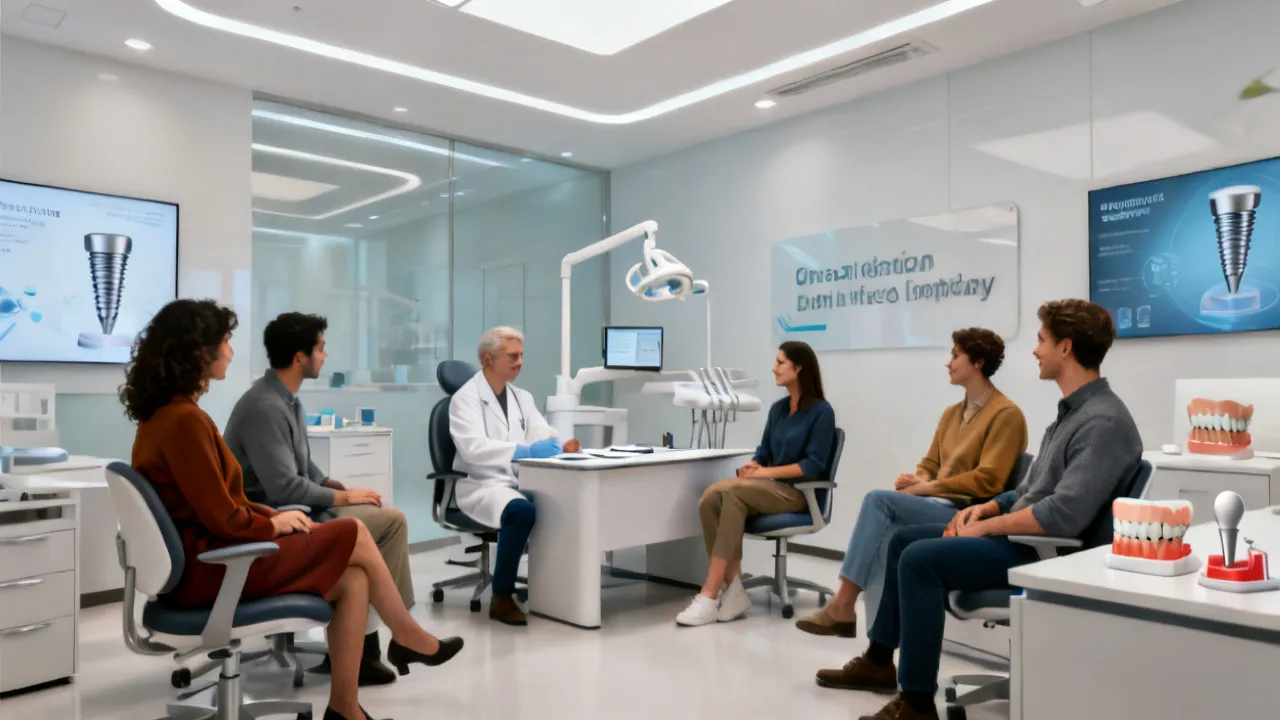
This guide explains how people evaluate Affordable Dental Implants options that may involve discount programs, insurance coordination, or treatment financing. It reviews what dental implant care typically includes, common price drivers, and how to compare providers using objective criteria. You’ll also find cost ranges by country, a step-by-step plan for pursuing lower-cost implant treatment, and practical FAQs.
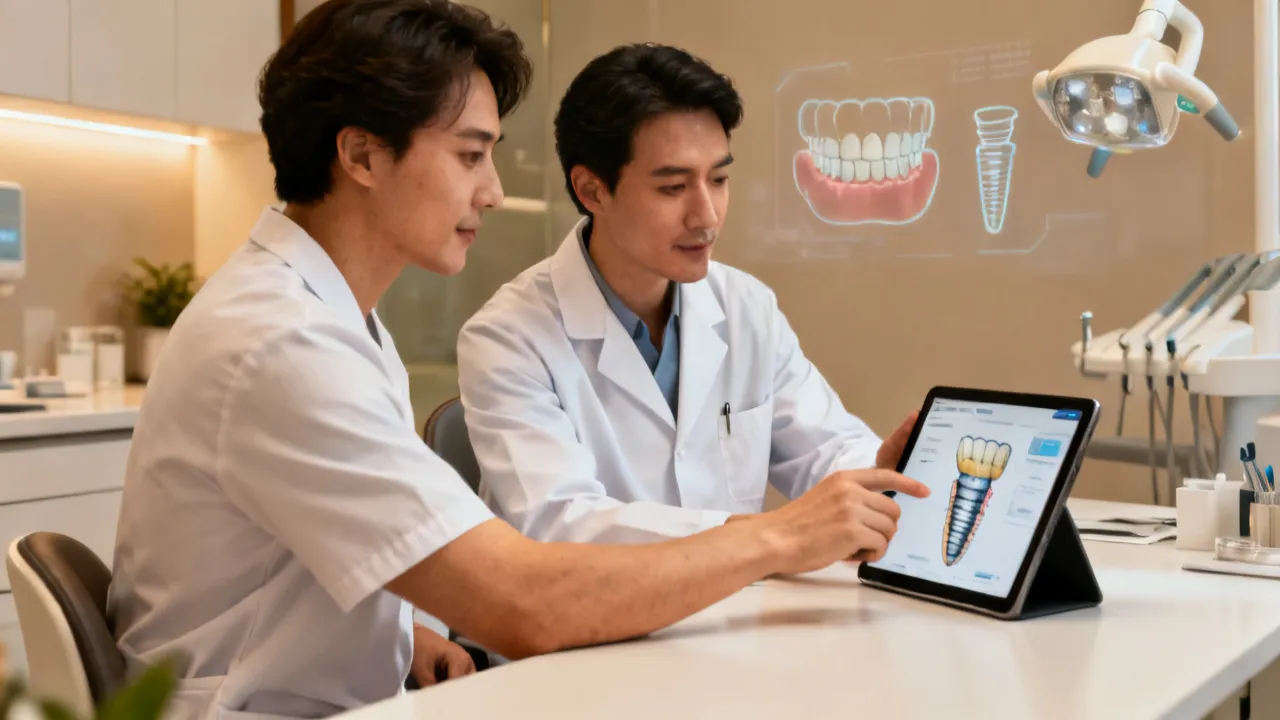
This guide explains how “Affordable Dental Implants” programs typically work in real-world dental care. It reviews objective options such as low-cost implant pathways, dental tourism considerations, and insurance-style plans, then outlines eligibility factors, selection criteria, and a practical cost-range overview across major English-, Spanish-, and Portuguese-speaking markets.
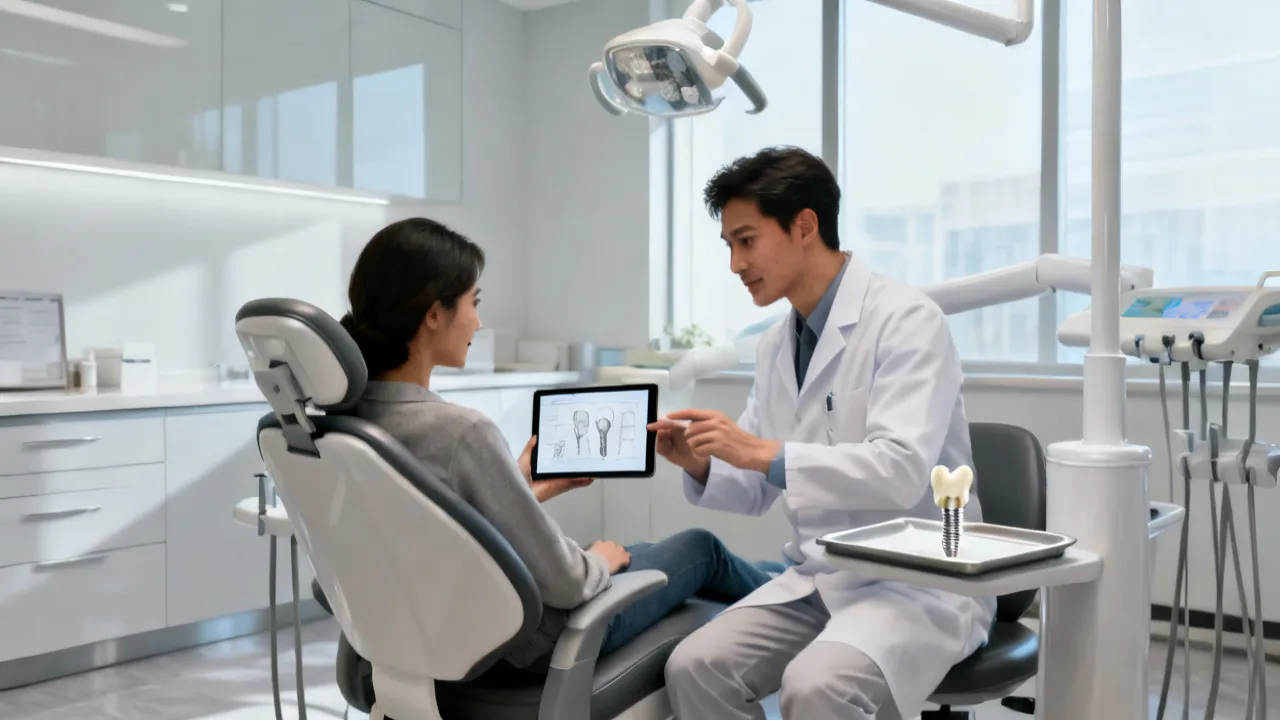
This guide explains how “Affordable Dental Implants” offers are typically structured and what patients should verify before scheduling. It also compares reputable low-cost implant information sources, outlines step-by-step pathways to reduce implant expenses, and provides practical cost-range benchmarks across major English-, Spanish-, and Portuguese-speaking countries.
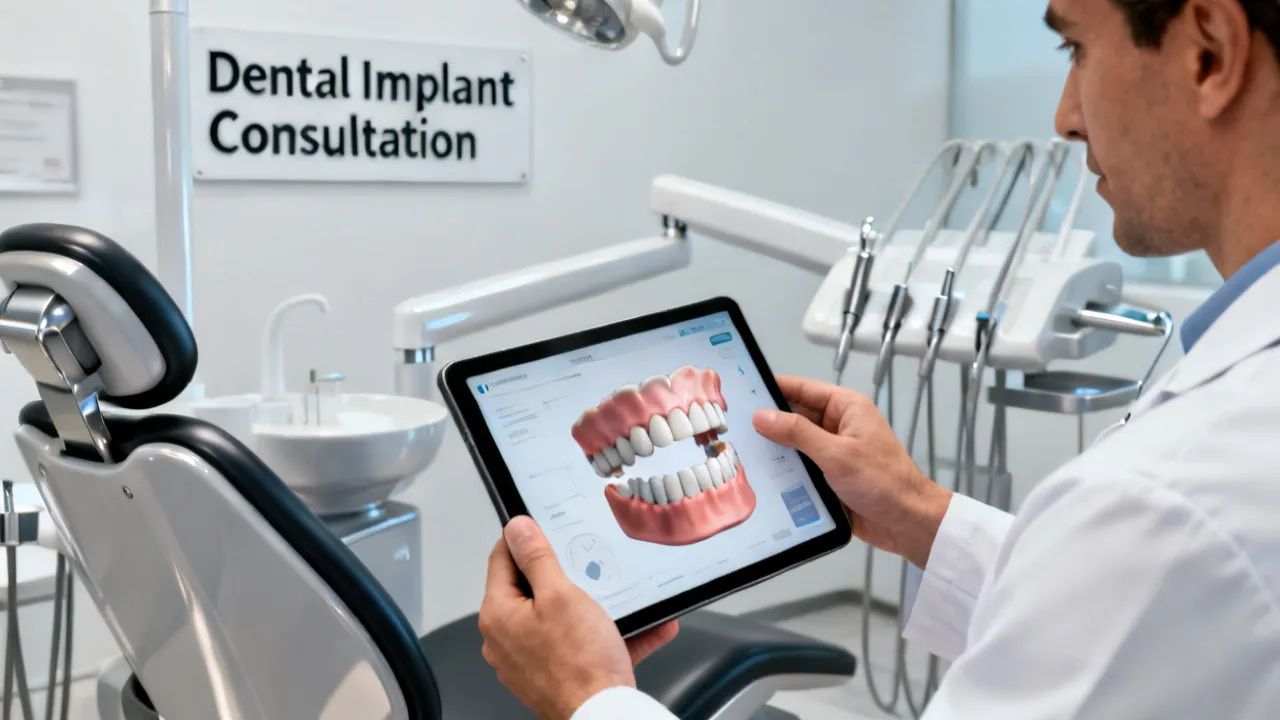
This expert guide explains how “dental implants” can be financed or obtained through lower-cost pathways, including clinic promotions, insurance planning, and dental tourism. It also compares information sources for cost-focused implant care, outlines practical steps for evaluating providers, and reviews typical single-implant cost ranges across major language regions.
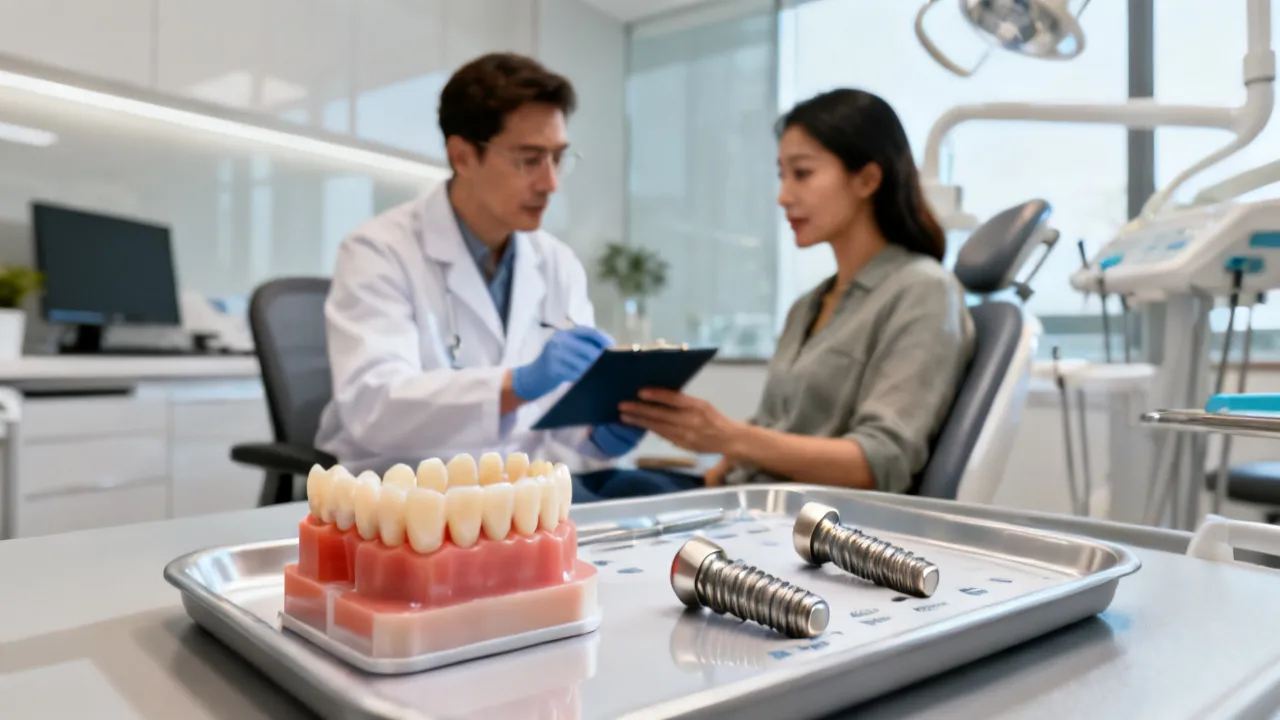
This guide explains Affordable Dental Implants options and how “low-cost” implant pathways work in English-, Spanish-, and Portuguese-speaking regions. It covers what to expect clinically, how pricing is structured, and how patients can plan for affordability through insurance, financing, and dental tourism. Clear cost ranges, vetted resources, and FAQs are included.