Discover financing options for dental implants and how seniors can fix their smiles near me in 2025.
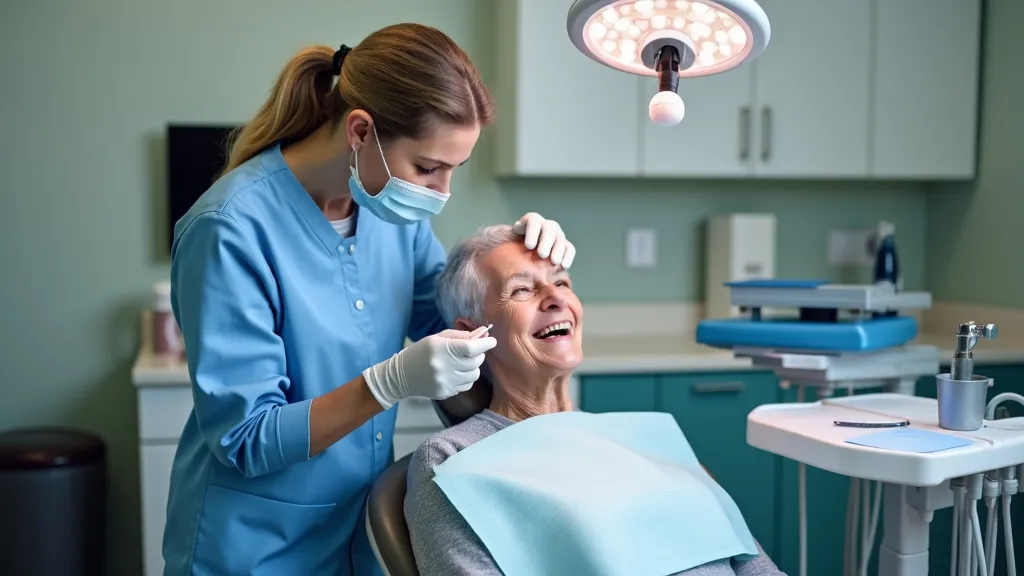
Dental implants have become a popular solution for seniors seeking to restore their smiles. They provide a durable and natural-looking alternative to dentures and bridges. An implant consists of a titanium post that is surgically placed into the jawbone, acting as a root for a replacement tooth. Many seniors are opting for dental implants, but financing can often be a concern. This article aims to guide you through the process and options available for financing dental implants near me.
Dental implants offer several advantages for seniors. They not only enhance appearance but also improve functionality, allowing seniors to eat and speak with confidence. Moreover, implants can prevent bone loss in the jaw, which is a common issue for those who have lost teeth. Additionally, they are designed to last a lifetime with proper care, making them a worthwhile investment for seniors looking for a good dental solution.
Financing dental implants can be daunting, especially for seniors on a fixed income. Fortunately, there are multiple options available to help you manage the cost:
When searching for dental implants near me, it is essential to do thorough research. Begin by asking your primary care physician for recommendations. You can also look for dental clinics specializing in implants and read reviews from other seniors. Here are some tips to find the right provider:
As we approach 2025, funding options for dental implants continue to evolve. Here are some anticipated trends that may benefit seniors seeking dental work:
If you find yourself saying, "I need to fix my teeth near me," don't hesitate to reach out to local dental professionals. Taking the first step towards improving your dental health is essential. Schedule a consultation today and explore the options available to you. Remember, many clinics offer affordable consultations, allowing you to discuss your needs without any financial commitment.
Yes, dental implants are considered safe for seniors, provided they are in good overall health. It’s essential to consult with your dentist to evaluate your specific situation.
With proper care, dental implants can last a lifetime. Regular dental check-ups and good oral hygiene are crucial for their longevity.
Recovery time varies but typically ranges from a few days to a couple of weeks. Your dentist will provide specific instructions to ensure proper healing.
Yes, you can wear dentures while waiting for your dental implants to heal. However, discuss this with your dentist for personalized advice.
Start by asking for recommendations from friends or family. You can also search online for reviews and ratings of local dental clinics.
Finding affordable dental implants for seniors is possible, thanks to various financing options and resources available near me. By understanding your choices and taking action, you can achieve the smile you’ve always desired. Remember, investing in your dental health is investing in your overall well-being. Don’t hesitate to reach out for help—your new smile awaits!






Tooth loss can significantly affect not only an individual's appearance but also their overall oral health. When a tooth is lost, the surrounding teeth can shift, leading to misalignment, increased plaque buildup, and potential periodontal issues. This article will discuss how dental implants can maintain oral health after tooth loss and provide practical guidance for individuals considering this restorative option.
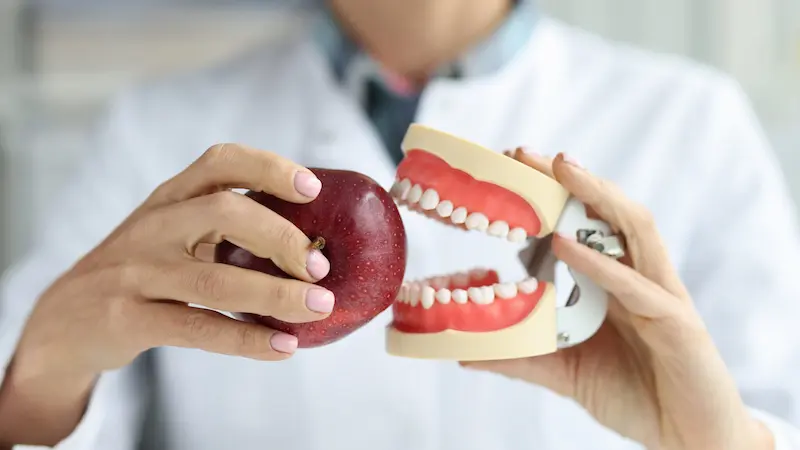
As society advances, the significance of oral health, particularly among the elderly population, has garnered increasing attention. One of the essential developments in this realm is the emergence of dental implants, which provide a viable solution for individuals suffering from tooth loss.
This article aims to provide an objective overview of the benefits, maintenance, and best practices related to dental implants for the elderly, enabling them to maintain optimal oral health.
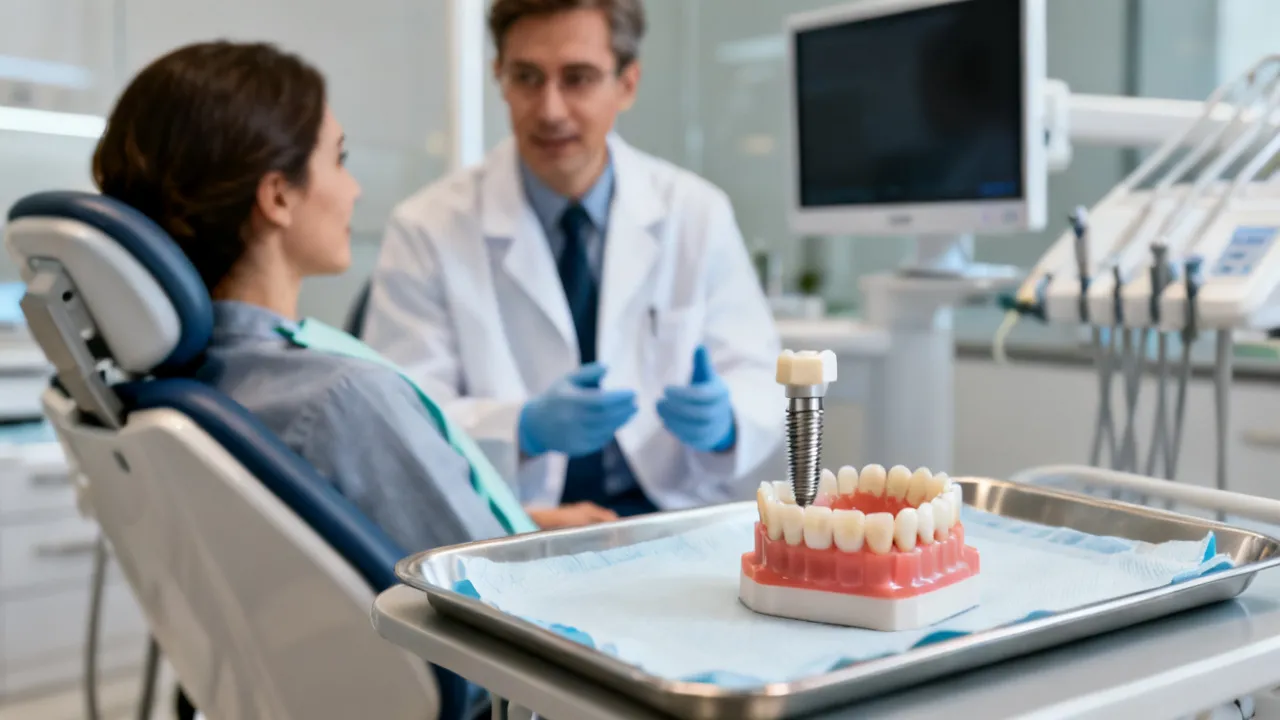
This guide explains what people usually mean by “Affordable Dental Implants,” outlines the realities of implant treatment pathways, and shows how to reduce total costs through low-cost implant programs, insurance, and dental tourism. It also compares example cost ranges across regions and provides an expert checklist before you commit.
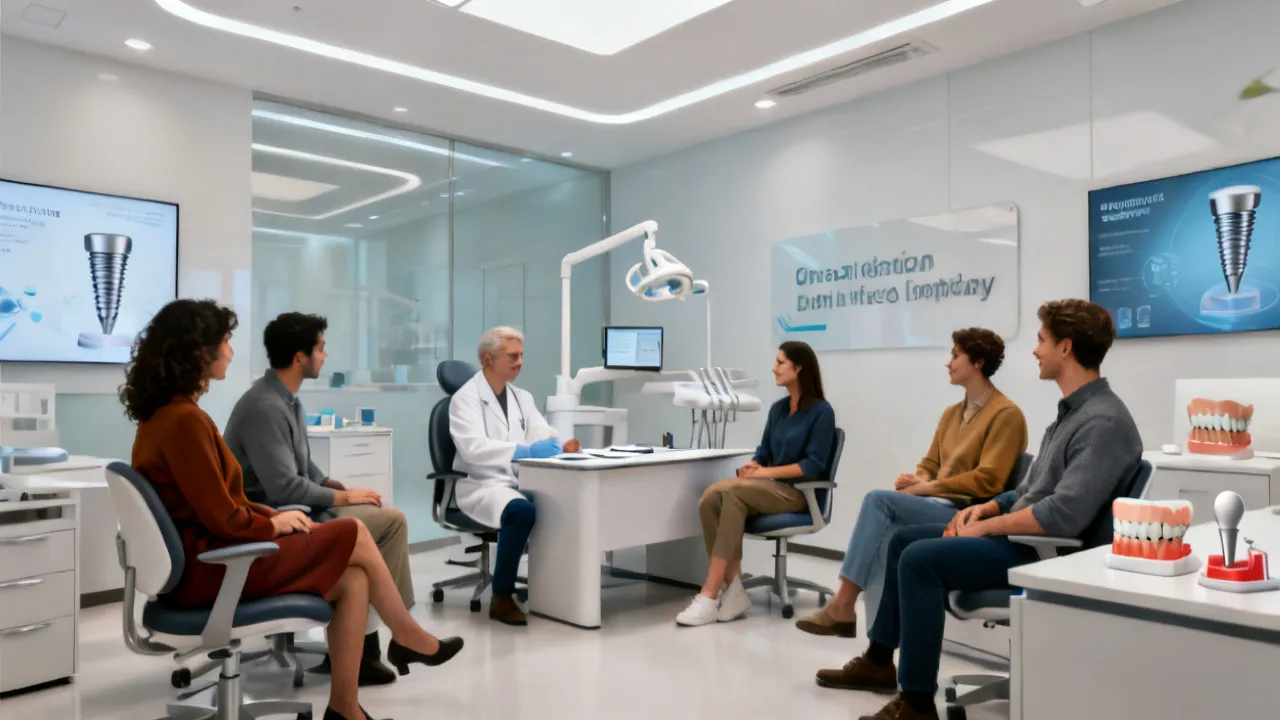
This guide explains how people evaluate Affordable Dental Implants options that may involve discount programs, insurance coordination, or treatment financing. It reviews what dental implant care typically includes, common price drivers, and how to compare providers using objective criteria. You’ll also find cost ranges by country, a step-by-step plan for pursuing lower-cost implant treatment, and practical FAQs.
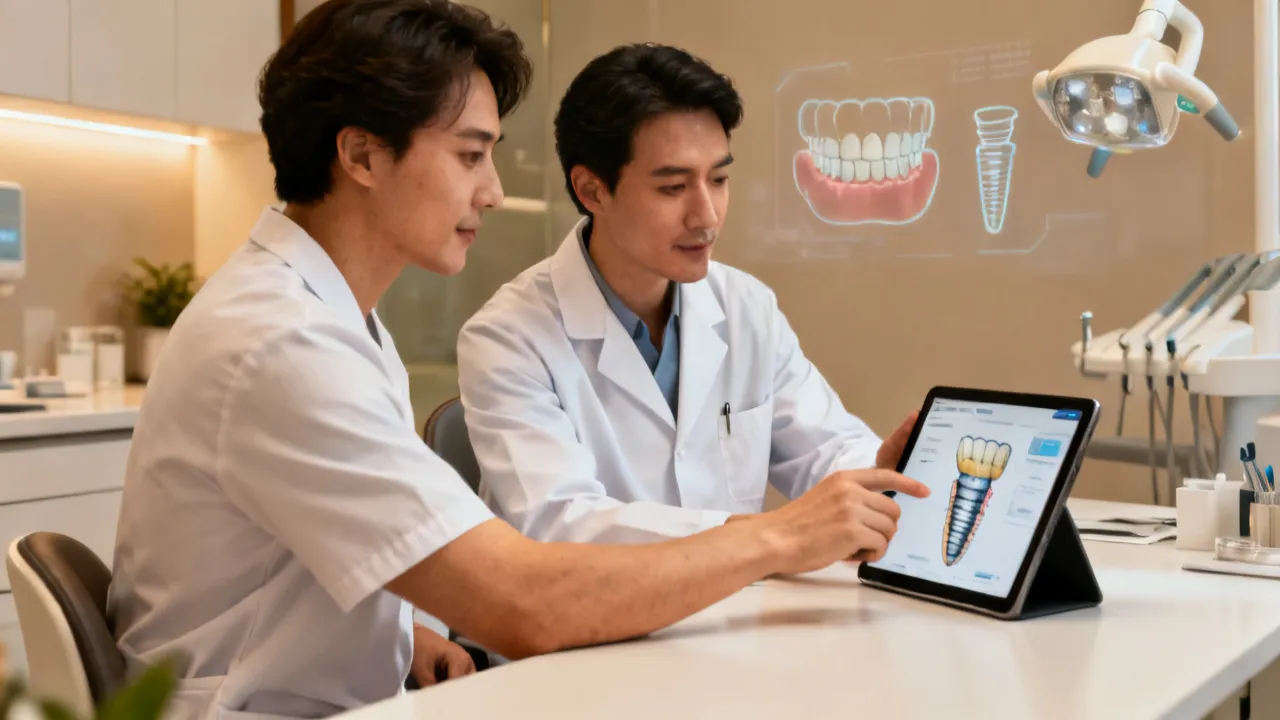
This guide explains how “Affordable Dental Implants” programs typically work in real-world dental care. It reviews objective options such as low-cost implant pathways, dental tourism considerations, and insurance-style plans, then outlines eligibility factors, selection criteria, and a practical cost-range overview across major English-, Spanish-, and Portuguese-speaking markets.
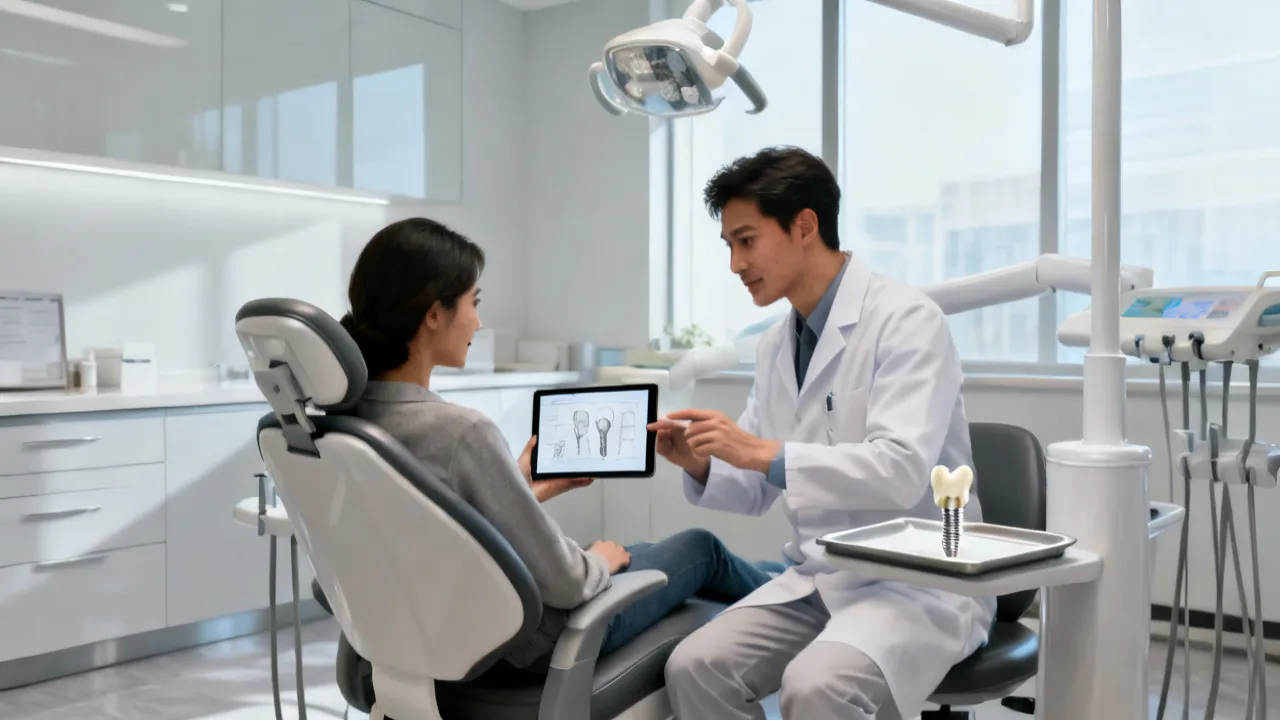
This guide explains how “Affordable Dental Implants” offers are typically structured and what patients should verify before scheduling. It also compares reputable low-cost implant information sources, outlines step-by-step pathways to reduce implant expenses, and provides practical cost-range benchmarks across major English-, Spanish-, and Portuguese-speaking countries.
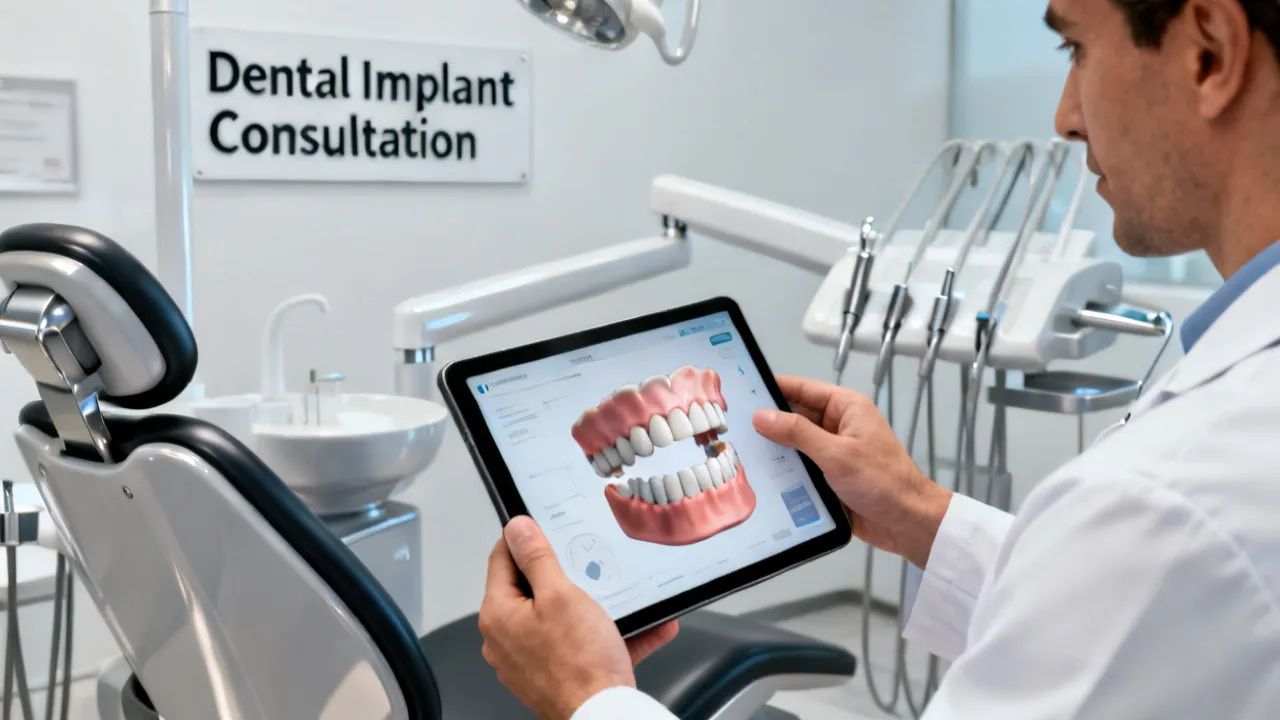
This expert guide explains how “dental implants” can be financed or obtained through lower-cost pathways, including clinic promotions, insurance planning, and dental tourism. It also compares information sources for cost-focused implant care, outlines practical steps for evaluating providers, and reviews typical single-implant cost ranges across major language regions.
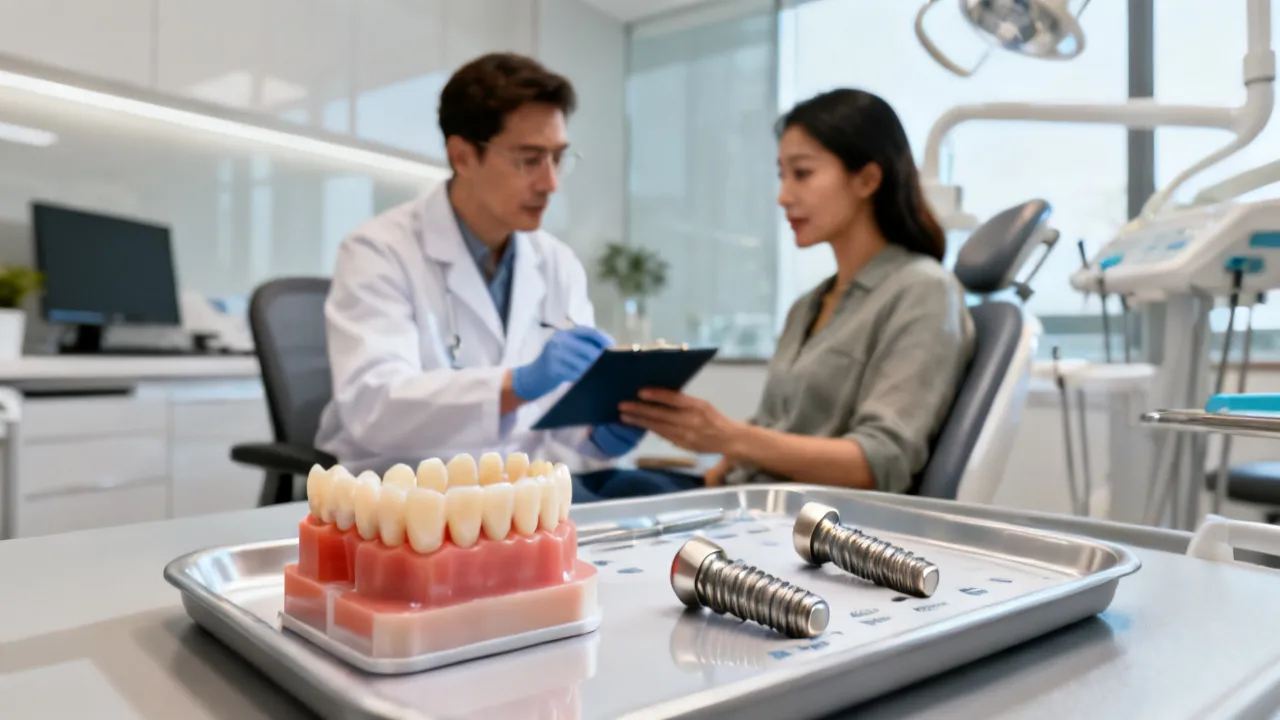
This guide explains Affordable Dental Implants options and how “low-cost” implant pathways work in English-, Spanish-, and Portuguese-speaking regions. It covers what to expect clinically, how pricing is structured, and how patients can plan for affordability through insurance, financing, and dental tourism. Clear cost ranges, vetted resources, and FAQs are included.