This guide explains how to evaluate the product reference “60817674500” and related sourcing details for reliable procurement. It provides objective background on how SKU-like identifiers support traceability, what buyers should check in documentation, and how price and supplier capability typically affect risk.

When you encounter an identifier such as 60817674500, the very practical next step is to treat it as a traceability key: it should help you confirm the correct item, validate documentation, and align expectations with the supplier’s scope and quality controls. For procurement teams, this is often the difference between receiving the right specifications on time versus dealing with mismatches, returns, compliance gaps, or downstream production disruptions.
In modern purchasing workflows, buyers rarely rely on a single field like a “product name,” because naming conventions vary across suppliers and catalogs. Instead, identifiers like 60817674500 enable buyers to build repeatable checks across quotations, purchase orders, shipping documents, inspection records, and invoices. Even when the “product name” is not explicitly stated, a reliable identifier still enables structured verification across the procurement lifecycle—particularly when paired with a specification pack and traceability evidence.
That said, identifiers are only useful when they are interpreted correctly. A numeric string can represent many different things depending on the vendor: a SKU, a catalog index, a part number, or an internal manufacturing trace code. The central procurement discipline is to confirm what the identifier represents in the supplier’s system, then verify that the mapped technical attributes meet your requirements. If you do that, 60817674500 becomes a practical tool for accuracy and accountability. If you do not, the same identifier can create hidden risk, because “the number matches” may mask “the delivered configuration differs.”
To source responsibly around 60817674500, focus on four points at the earliest stage—before you place a purchase order and before goods are manufactured or shipped:
These steps align with procurement top practices recommended by major frameworks. In particular, quality management principles commonly associated with ISO (e.g., ISO 9001 for quality management systems) emphasize process control and documented conformity. Similarly, supply-chain due diligence guidance often associated with OECD principles encourages buyers to understand and mitigate supply chain risk in a verifiable way. Using a reference identifier like 60817674500 properly can be one of the simplest mechanisms to implement those principles in practice.
You included multiple keyword entries, but only one concrete token is clearly legible: 60817674500. In practical procurement work, numeric strings are often used as:
Because the meaning depends on the supplier’s cataloging and quality-record practices, you should not assume that the identifier alone encodes specification details. The correct procurement move is to ask for the supplier’s mapping between 60817674500 and the exact technical attributes required for your application.
In other words: treat 60817674500 as a handle that points to information inside the supplier’s system. Your task is to make sure the handle points to the right information—and that the supplier can prove it with documents and traceability.
Even without explicit price figures in your prompt, buyers should treat “price” as a packaged commercial outcome rather than a single number. When quoting around 60817674500, pricing may vary based on how the supplier structures cost drivers like quality activities, shipping conditions, documentation, and order constraints.
For example, “price” may vary significantly due to:
To maintain objectivity, request itemized quotations. If a supplier provides only a lump sum, you can still normalize the commercial picture by asking for the same set of underlying details across vendors—MOQ, lead time, shipping terms (Incoterms), inspection level, and documentation deliverables. If the supplier cannot provide itemization, consider whether the supplier is likely to create acceptance disputes later due to unclear scope.
Another procurement best practice is to evaluate the “cost of not meeting acceptance.” If an item tied to 60817674500 is used in production or regulated workflows, a slightly cheaper offer may produce higher overall cost due to rework, delays, or scrappage. Therefore, even when you cannot fully quantify downstream impacts, you can mitigate risk by aligning acceptance criteria and document requirements up front.
From an industry perspective, the supplier’s value is measured less by marketing claims and more by evidence. For sourcing tied to 60817674500, evidence typically includes:
Where applicable, look for alignment with recognized quality frameworks such as ISO 9001 and, depending on the industry, additional requirements. For regulated environments (pharmaceutical, medical device, aerospace, automotive, food-contact, chemical processes, and many others), ensure the supplier’s documentation satisfies your internal compliance program and external regulatory requirements.
It is also worth noting that supplier evaluation should be specific to the reference. A supplier might be strong in general quality management but weak in traceability for a particular product line. If 60817674500 represents a unique item configuration, you must verify that configuration’s quality evidence, not just the supplier’s general certificate.
Procurement errors around a reference like 60817674500 often stem from avoidable misunderstandings. Common risk points include:
By addressing these risk points early—while the purchase order is being prepared—you reduce the likelihood that you will have to resolve the issues later under time pressure. The earlier you lock down identification and documentation deliverables, the more predictable the supply chain becomes.
A practical way to use an identifier like 60817674500 is to structure your evaluation in two layers:
This approach reduces the likelihood of “false savings.” A lower unit price can cost more if it increases rejection rates, causes delays, or requires rework. The key is to define acceptance criteria and documentation requirements prior to purchase and then ensure the supplier’s offer supports those criteria.
Procurement teams often adopt a weighting model, where technical compliance and documentation readiness are weighted more heavily than unit price for critical items. For non-critical items, the balance may shift, but the mapping step remains important: a wrong item delivered confidently with “the right number” is still a wrong item.
Across manufacturing, logistics, and regulated supply chains, identifiers are used to reduce ambiguity. While the exact use of 60817674500 depends on the product’s domain, the underlying principle is the same: consistent identifiers support records, audits, and traceability.
Quality systems such as ISO-based frameworks emphasize documenting processes and controlling product conformity. Meanwhile, supply-chain due diligence practices—commonly associated with OECD-style guidance—encourage buyers to understand their supply chain risk in a verifiable way. Using identifiers correctly is often a direct mechanism for implementing those principles: it ties physical goods to documented evidence.
In many organizations, traceability is also a defense against operational and legal risk. If there is a failure in production or a customer complaint later, traceability helps you determine which batch/lot of materials was involved, which supplier produced it, and which tests were performed. Without traceability, you may face broad recalls, costly investigations, or inability to prove compliance.
Additionally, in integrated business environments, identifiers support digital workflows: EDI ordering, ERP purchasing modules, warehouse scanning systems, and quality management systems. When 60817674500 is used consistently across those systems, it reduces transcription errors and improves the speed of acceptance and inventory control.
Below is a supplement presented as a comparison table to help you evaluate supplier offers when a reference like 60817674500 is involved. The table focuses on decision criteria rather than any vendor claims. Use it as a checklist during supplier selection and contract negotiation.
| Criterion | What to check for 60817674500-related sourcing | Why it matters |
|---|---|---|
| Reference-to-spec mapping | Does the supplier provide a technical datasheet that explicitly corresponds to 60817674500 (including variant-level attributes)? | Prevents receiving a wrong variant with similar naming. |
| Documentation set | Which certificates/test reports/inspection records are included, and when will they be delivered relative to shipment? | Supports acceptance and audit readiness; prevents delays due to missing documents. |
| Price composition | Is the quoted price itemized (MOQ, packaging, shipping terms, inspection, lead time, documentation bundle)? | Enables fair comparison across vendors and reduces “hidden scope” issues. |
| Quality controls | What inspection steps are applied before shipment and how are nonconformities handled (rework, replacement, corrective action)? | Reduces defect and rejection risk; clarifies responsibility and outcomes. |
| Change management | Does the supplier explain how changes are communicated if the same reference persists (e.g., revision levels, notification timelines)? | Protects good consistency and compliance; prevents silent drift. |
| Delivery reliability | Are lead times stated with a realistic production schedule and clear shipping timelines (including carrier handling windows)? | Minimizes downtime and schedule slippage; improves planning accuracy. |
| Acceptance criteria | Do you define what “pass” means (dimensions, performance thresholds, labeling checks, sampling plans)? | Aligns expectations and reduces disputes during receiving and quality inspection. |
| Lot/batch traceability | Will each shipment include lot/batch numbers and records linking 60817674500 to the actual production batch? | Enables investigations, audits, and effective containment if issues occur. |
| Regulatory alignment | If required, does the supplier provide material declarations, compliance statements, or labeling documentation relevant to your jurisdiction/industry? | Prevents regulatory acceptance failures and downstream legal risk. |
The following step-by-step guide is designed for procurement teams verifying an item tied to 60817674500. Adjust the steps to your internal compliance requirements and industry regulations. The underlying goal is to eliminate ambiguity early and create documentary evidence that supports acceptance and traceability.
To reduce ambiguity around a reference like 60817674500, include the following conditions in your inquiry or purchase process. When you specify these items in writing, you reduce disputes and speed up receiving and quality review.
60817674500 should be treated as an item reference or identifier. Its exact meaning—SKU, part number, catalog index, or trace code—depends on the supplier’s system. The correct approach is to request a reference-to-spec mapping from the vendor and confirm that the identifier corresponds to the exact technical variant you need.
If the supplier cannot provide a mapping, that is a warning sign. While some smaller suppliers may not have robust documentation, procurement still needs enough evidence to verify configuration and compliance.
No. A number can reduce ambiguity, but it rarely replaces technical documentation. You should obtain the datasheet/drawing and confirm that the attributes (dimensions, performance characteristics, materials, tolerance levels, compatibility) match the application requirements linked to 60817674500.
Even within the same product family, small changes can matter: coatings can alter chemical resistance, tolerances can affect fit and function, and labeling can affect traceability. The identifier is necessary but not sufficient.
Ask for itemized quotations and normalize the offers. Compare what’s included: MOQ, packaging type, shipping terms, inspection level, documentation bundle, and lead time. Then compare the total procurement cost under the same acceptance conditions—not just the unit price.
A practical technique is to create a “common quote template” for each vendor. Provide the template with specific required fields. When vendors fill it out, you can compare across vendors more reliably and detect omissions or differences in scope.
Request the documentation bundle relevant to your domain. Commonly, suppliers provide certificates of conformity, test reports, inspection records, and sometimes batch/lot traceability evidence. If your industry has specific compliance needs, request the precise documents required by your regulatory or internal quality program.
Also clarify the acceptable document format (PDF, original stamped documents, digital signatures) and language requirements. In some organizations, certain document types must arrive in a specific naming convention so they can be stored and retrieved in the quality system.
If there’s a mismatch, treat it as a nonconformance issue. Use the documented specification pack and acceptance criteria you defined. Require a root-cause explanation, corrective action, and replacement or return in line with your contractual terms.
Importantly, you should also document the mismatch details: what differed (e.g., dimensions, material grade, coating type), how you discovered it, and which shipment documents correspond to the delivered units. This creates a clear audit trail for future investigations.
Use a structured due-diligence workflow: confirm reference-to-spec mapping, request documentation before or at shipment, define acceptance criteria, and run a first-article verification for critical items. Also review the supplier’s quality processes and change management approach.
If possible, consider requesting evidence of past performance: sample acceptance records from previous shipments or a quality history summary showing defect rates and corrective action outcomes. For traceability-heavy items, ask how the supplier handles rework and which records are updated when nonconformances occur.
Quality frameworks like ISO 9001 provide structure for process control, but they do not automatically guarantee that any specific item—such as the one tied to 60817674500—matches your exact specification. You still need product-level verification and documentation to confirm conformity.
Think of ISO-style certifications as evidence that a supplier has processes. They do not remove your responsibility to verify that the delivered product meets your requirements.
In procurement, success rarely comes from relying on a single piece of information. Yet an identifier such as 60817674500 is an important starting point—especially when it is paired with verifiable documentation, normalized pricing, and supplier accountability. By following the structured workflow and objective comparison criteria outlined above, buyers can reduce uncertainty, improve acceptance outcomes, and strengthen traceability across the supply chain.
When buyers treat reference numbers as traceability keys—requiring mapping to technical specifications, demanding evidence of conformity, clarifying commercial scope, and confirming operational capability—the procurement process becomes more predictable. That predictability is what ultimately protects schedules, reduces risk, supports audits, and improves long-term supplier relationships.
Your prompt included keyword placeholders without explicit location context (and no city/country token requiring replacement). If you share the intended product name category, industry domain, and whether there is a specific supplier location you want emphasized, I can tailor the narrative to that context while keeping the same objective, SEO-focused structure.






This guide explains how to interpret service inquiry details, including the numeric reference “06110695394,” and how to document supplier contact information responsibly. It provides objective background on why structured identifiers matter for sourcing, compliance, and faster quote handling, without assuming availability or pricing specifics beyond what you confirm with the supplier.
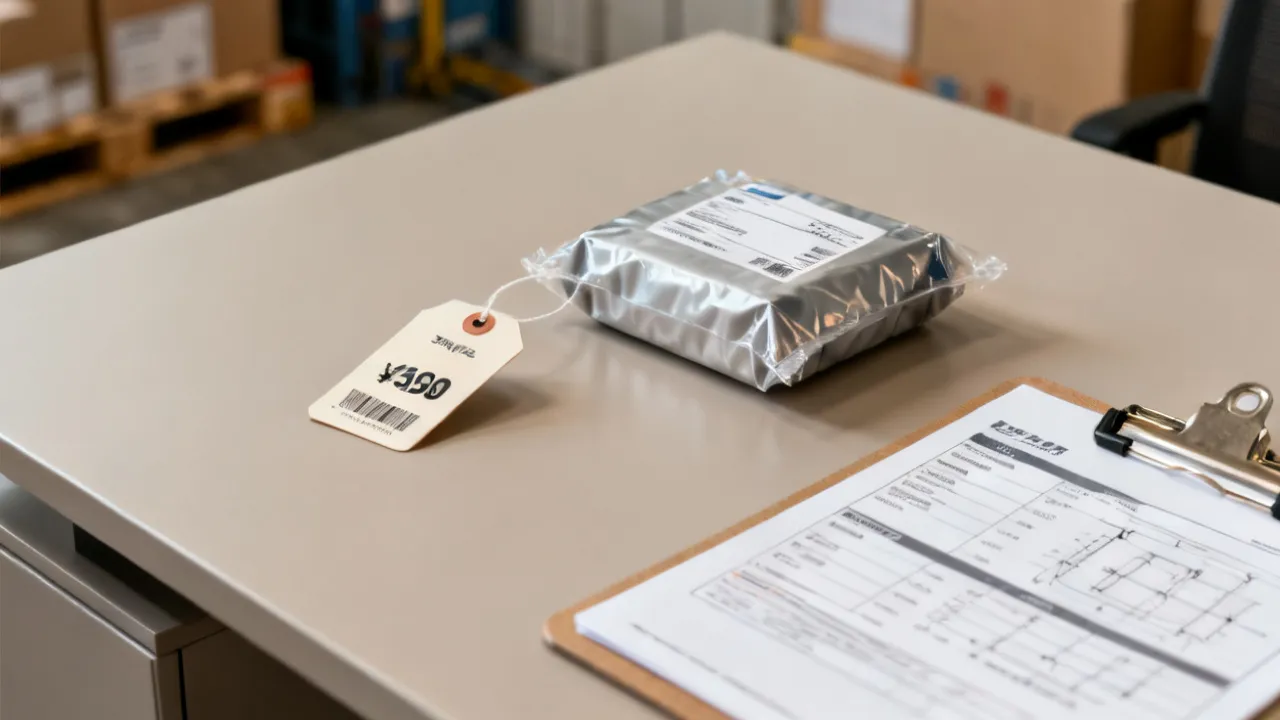
This guide explains how to evaluate 60817674500 in real sourcing scenarios, connecting supplier reliability, pricing logic, and documentation checks. Objectively, the keywords reflect a practical procurement workflow: identify the item or code, verify availability, compare quote structure, assess lead time, and confirm compliance—so decisions are defensible and traceable across suppliers.

This guide explains how ID verification and compliance checks can be structured around the identifier 825.846.992-49 and related documentation. Objectively, these numbers are often used in identity matching and risk screening workflows. The article outlines supplier and cost considerations, required documentation, and practical conditions for responsible verification processes.

This guide explains Aquila in a practical, evidence-aware way, covering meaning, typical applications, and how to evaluate offerings. Objectively, “Aquila” is widely used as a name connected to the Latin term for eagle, and it appears across branding, research cataloging, and product lines. You’ll also find a structured comparison table, sourcing conditions, and FAQs to support informed decisions.
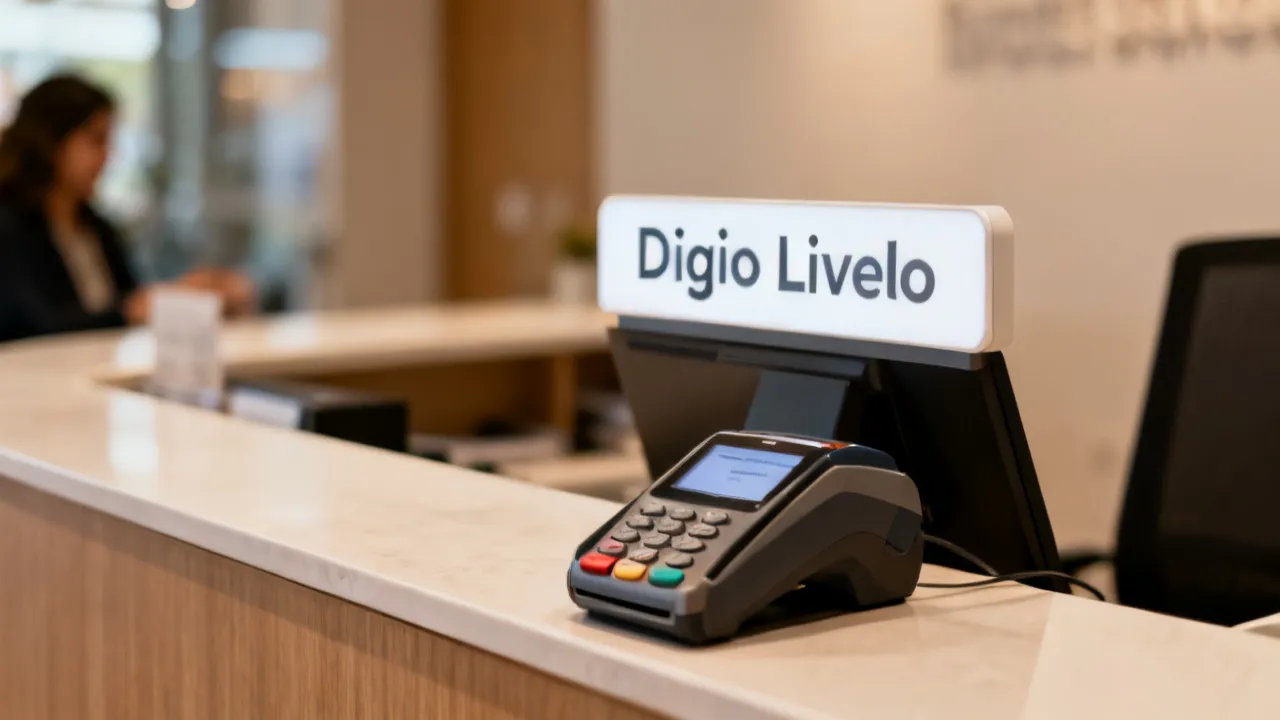
Digio Livelo helps users connect everyday purchases with a structured rewards approach, so this guide explains what the program typically entails, what to check before enrolling, and how to evaluate it responsibly. Objectively, Digio and Livelo are commonly associated with loyalty-style ecosystems that depend on participating merchants, terms, and data handling practices.
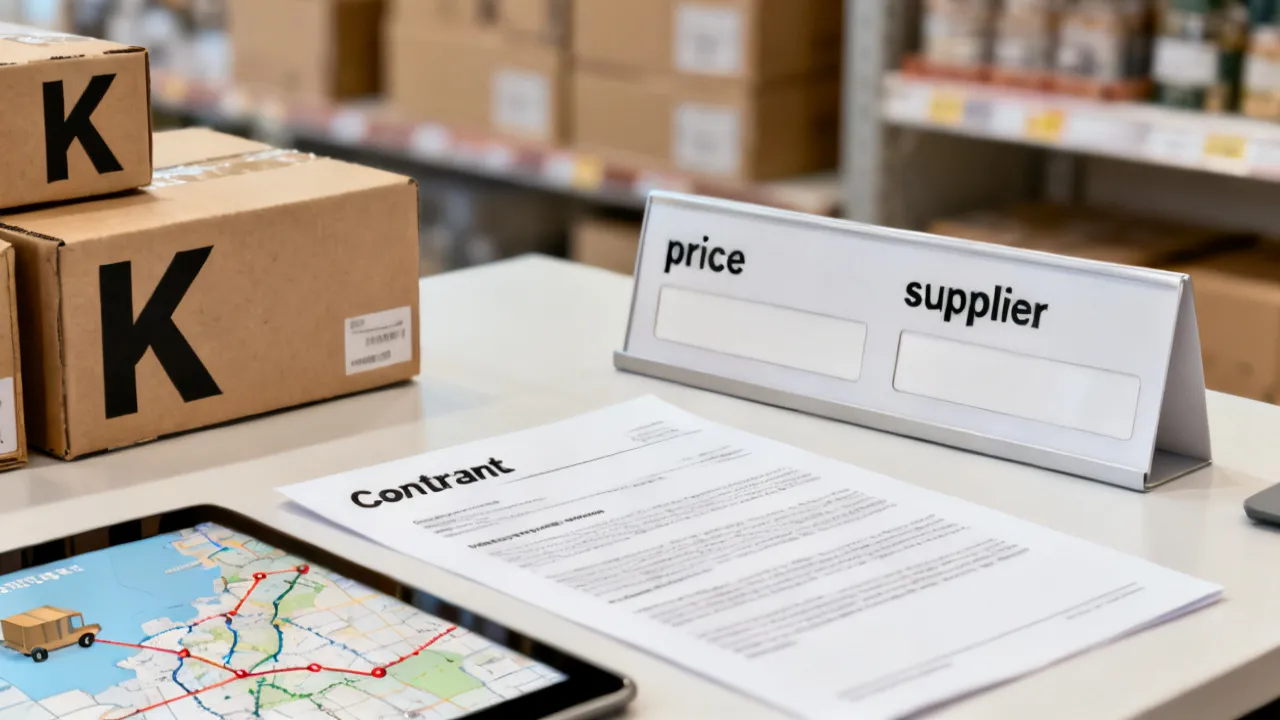
This guide explains how to evaluate K suppliers and pricing with an industry-first, risk-aware approach. It reviews background concepts around supplier selection, cost drivers, and documentation quality, then provides a structured comparison framework. The article also covers conditions for quotes, quality checks, and decision steps designed for consistent procurement outcomes.
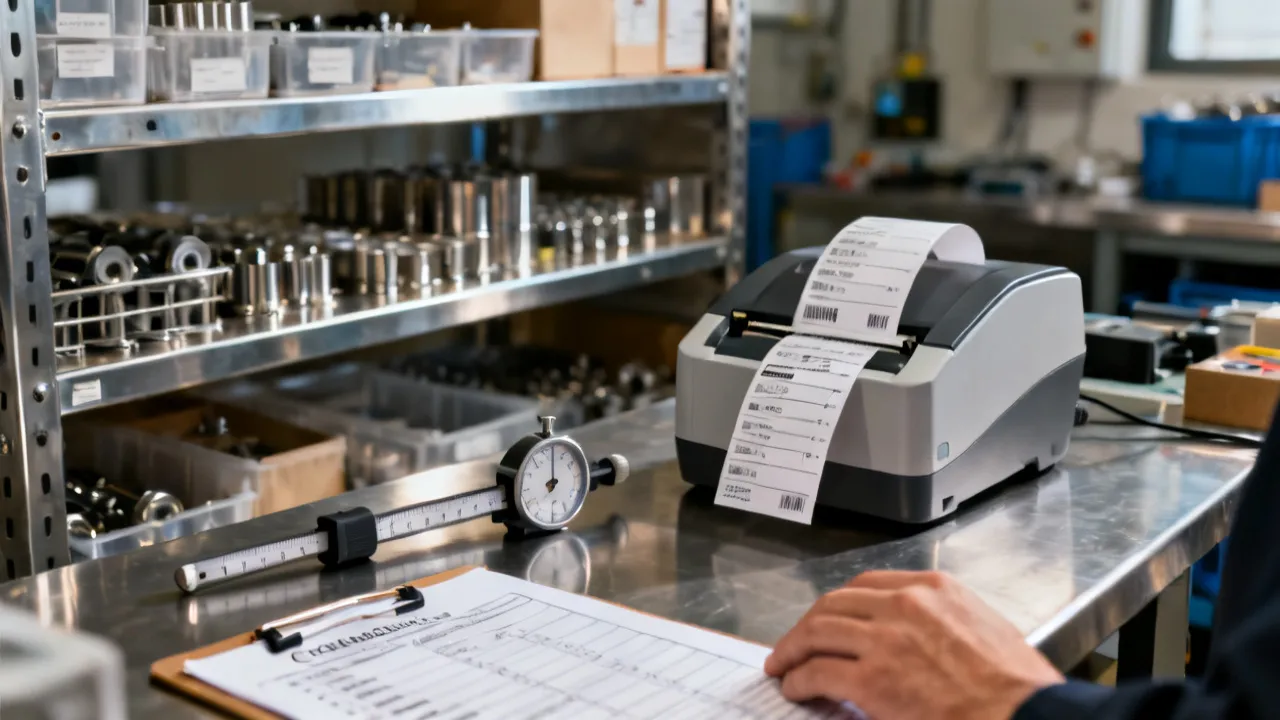
This guide explains how to evaluate 1333-related sourcing decisions using practical criteria for specification matching, documentation checks, and quality controls. Objectively, “1333” is often used as an internal part/reference number or a model code across procurement workflows, while blank quote tokens and supplier details reflect typical cataloging formats. The article outlines how to compare suppliers without relying on unverified claims.
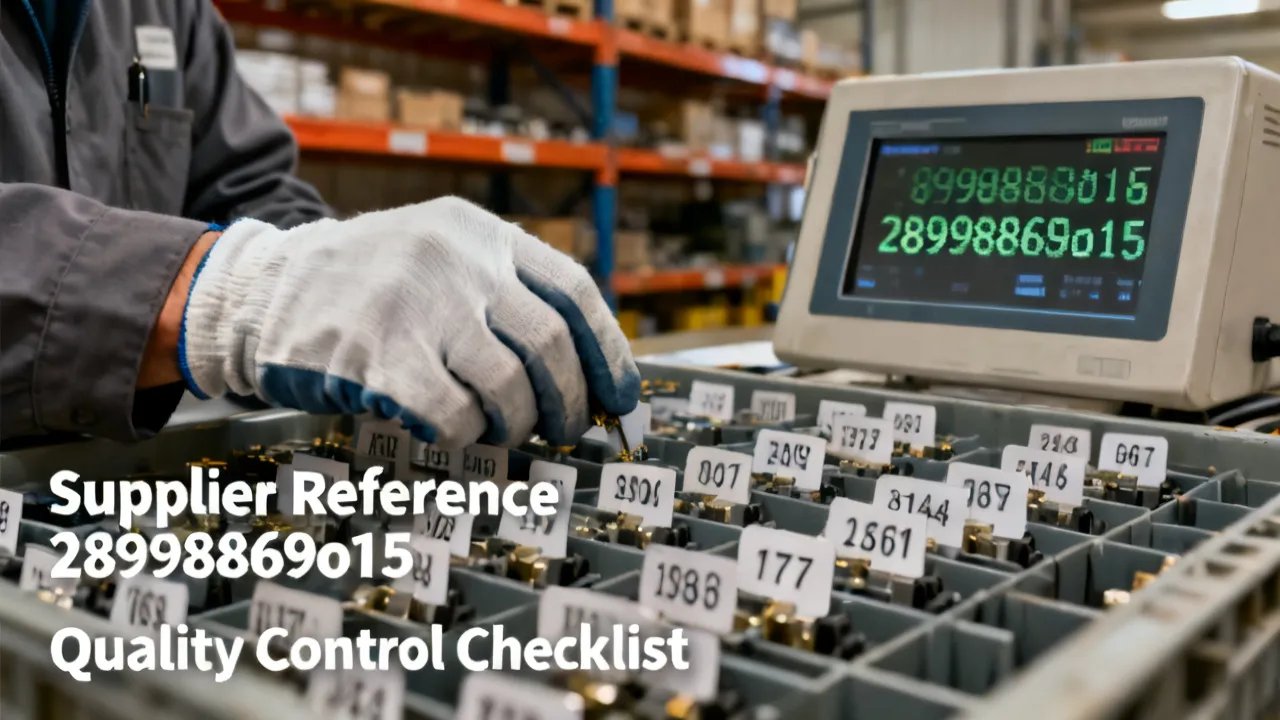
This guide explains how industry stakeholders interpret the reference code 28998869o15, assess suppliers, and evaluate cost drivers for procurement decisions. Objectively, such alphanumeric identifiers typically support inventory traceability, documentation control, and quality verification. It outlines practical evaluation steps, requirements, and FAQs to help buyers compare options using consistent criteria.
