692423217 53 is top understood through a structured buyer lens: requirements, supplier capabilities, and total pricing context. Objectively, the number sequence is treated as an identifier used in procurement and cataloging, where compatibility, documentation, and lead times matter. This guide explains how to evaluate suppliers without guessing, using practical selection criteria and decision-ready guidance.

If you’re evaluating 692423217 53 for procurement, the fastest path to a confident purchase is to confirm specification match, validate supplier documentation, and compare total landed cost—not just headline price. In practical terms, buyers should treat “692423217 53” as a traceable item identifier that can only be trusted when paired with the correct technical description, revisions (where applicable), and verified availability from the stated supplier.
Because your request includes a supplier-oriented framing and “price information,” this article focuses on how professionals assess pricing and sourcing responsibly—turning what looks like a simple identifier into a complete buying decision that reduces mismatches, delays, and rework.
In procurement reality, most “wrong item” incidents do not happen because the identifier is meaningless; they happen because the identifier is incomplete without context. Even when two listings use the same part number, there can be differences in revision level, packaging format, country of manufacture, compliance classification, test data availability, or substitution rules. Therefore, your job as a buyer is to force clarity early: require controlled specification mapping, require the correct documentation set, and translate any quote into a comparable, risk-adjusted total cost.
For organizations with mature purchasing discipline, the identifier is treated like a key to an internal database—not like the database itself. Procurement teams typically verify that the supplier’s listing points to the same database record you intend to build, test, install, and operate.
692423217 53 appears to function as an alphanumeric/numeric identifier commonly used to label parts, SKUs, job codes, or catalog entries. In procurement workflows, such identifiers are meaningful only when they are tied to:
From an industry perspective, the “identifier” is the entry point; the real risk—and opportunity—lives in the accompanying paperwork and compatibility details. That’s why expert buyers don’t rely on the number alone. They treat 692423217 53 as a reference that must be “dereferenced” into a full specification and compliance package.
To make this concrete, consider common procurement patterns across industries:
That’s why the identifier-to-documentation link is crucial. When buyers say “we need 692423217 53,” what they truly mean is “we need the exact configuration, controlled revision, and evidence package that corresponds to the identifier.”
If a supplier provides only a short description and no controlled datasheet/drawing, the buyer’s best response is not to accept the ambiguity—it is to request the mapping between the identifier and the controlled technical record, including revision and manufacturing/lot details.
When price information is discussed alongside a specific item like 692423217 53, professionals typically translate the supplier quote into a “total cost to deploy.” This matters because cost often shifts across categories:
To keep pricing comparisons objective, many procurement teams create a standardized comparison worksheet (unit price + shipping + estimated inspection and integration effort). Even without published numeric price data in the prompt, the method remains the same: you convert quotes into like-for-like totals.
It’s helpful to think in terms of what happens after you “buy” rather than what happens at checkout:
For buyers, the hardest truth is that the “true cost” is often dominated by risk-adjusted effects rather than unit price. Therefore, even if you cannot quantify every risk precisely, you can still structure comparisons using documentation quality, traceability strength, lead time reliability, and discrepancy resolution terms as proxies.
Example of how total cost thinking works (without requiring any specific numbers): Suppose Supplier A quotes a lower unit price but provides generic documentation that doesn’t match your controlled spec requirements, and their lead time is uncertain. Supplier B quotes a slightly higher unit price but includes controlled documentation, lot traceability, and a committed delivery window. When you factor inspection effort, risk of mismatch, and likely schedule impact, Supplier B may become the better financial choice—even if their list price is higher.
This is why buyers should never interpret “price information” as standalone. In professional procurement, every quote is treated as a hypothesis that must be validated through documentation and delivery commitments.
When sourcing an item referenced by 692423217 53, the very reliable approach is to treat supplier selection as a due-diligence process. Industry experts usually prioritize evidence over claims:
Even when two suppliers appear to quote the same item, the “difference” frequently comes from documentation quality and fulfillment discipline. That is why expert buyers ask for the evidence up front. If you do not receive evidence before you place an order, you are essentially paying for the supplier to “discover” compliance after the fact—which is usually a costlier path.
To expand the due-diligence conversation into practical questions, buyers often request:
When suppliers cannot answer these questions clearly or cannot provide documentation, buyers should consider whether the apparent unit price savings are actually cost shifting to your organization. Cost shifting may show up later as inspection labor, downtime, expedited shipments, or engineering change requests.
Supplier evaluation also includes commercial discipline:
Ultimately, supplier evaluation is about reducing uncertainty. The best supplier for 692423217 53 is typically not the supplier with the lowest unit price; it is the supplier that reduces your risk of mismatch and ensures you can validate the item upon receipt.
The very costly procurement mistakes happen when the item identifier is misinterpreted or mapped to an incorrect variant. For 692423217 53, professionals typically confirm compatibility using at least three layers of verification:
This is also where you handle any “price information” differences responsibly. A cheaper quote may still cost more if it creates integration risk. Therefore, compatibility checks are not optional “nice-to-haves.” They are a core element of cost control.
Compatibility checks often fall into several categories, each with distinct failure modes:
A common procurement scenario is when a supplier claims the item is “equivalent.” In many cases, equivalence claims are true at a high level but not validated at the revision and tolerance level needed for your application. Therefore, buyers should explicitly require that “equivalent” still provides the same interfaces and the same controlled evidence package—or at least provides cross-reference documentation that your engineering and quality teams can accept.
Buyers also should watch for “silent changes.” A supplier may ship a later revision without notifying you, or may change packaging or manufacturing location. If your requirement includes traceability and revision control, you should require notification and/or approval if changes occur.
To make the selection process objective, consider how your organization weights the trade-offs among cost, schedule, and risk. A common expert approach is to use a scoring model:
Because procurement outcomes vary by industry and application, you should define acceptance criteria first, then select suppliers that meet them. This prevents “lowest price wins” decisions that often create downstream expenses.
To make the scoring model actionable, buyers often define a rubric with thresholds such as:
Some organizations further differentiate between application criticality:
For example, a procurement decision for a prototype may prioritize schedule and flexibility. In contrast, procurement for production operations may prioritize traceability, controlled documentation, and long-term supply stability. A single identifier like 692423217 53 can show up in both scenarios, but the decision rules should differ.
By explicitly defining decision weights and acceptance criteria, procurement teams avoid subjective debates and reduce “decision drift.” The scoring model becomes the mechanism by which you turn quotes into an evidence-based selection.
The table below is designed as a practical supplement for buyers comparing sourcing pathways for 692423217 53. Since the prompt does not provide explicit supplier names, exact currency figures, or shipping charges, the table uses neutral placeholders aligned with professional procurement categories.
| Evaluation Area | What to Check for 692423217 53 | Why It Matters for Pricing |
|---|---|---|
| Specification Match | Controlled datasheet/drawing tied to the identifier; confirm variant and revision if applicable | A “similar” item can trigger rework, raising total cost beyond the quote |
| Supplier Documentation | Certificates, test reports, conformity documentation, and traceability/lot records | Incomplete documentation can add inspection and administrative cost |
| Lead Time & Availability | Fulfillment dates, production status, and realistic timelines | Schedule slippage often costs more than a small unit price difference |
| Packaging & Handling | Appropriate packaging for the item’s sensitivity and handling requirements | Better packaging reduces damage claims and replacement shipments |
| Payment & Administrative Terms | Net terms, invoicing format, and any compliance fees | Terms can affect cash flow and accounting effort |
| Return/Dispute Conditions | Clear conditions for returns if specifications do not match | Dispute friction can raise the effective cost of procurement errors |
To extend the comparison table into a more decision-ready format, buyers often add internal cost line items to the “why it matters” column. For example, even without specific numbers, you can still estimate relative magnitude:
This method allows procurement teams to compare suppliers with more than intuition. They compare evidence completeness, risk, and cost-shifting potential.
Below is a procurement-ready sequence that expert teams commonly follow. It is intentionally structured so you can apply it to any supplier offering 692423217 53, even if the supplier description is brief.
To further strengthen this process, buyers often add “control points” that prevent common failures in real procurement cycles:
These control points are especially useful for identifiers like 692423217 53 because they create a consistent method for confirming that the “label” matches the “thing.”
Another practical technique is to require suppliers to respond using a standardized response template. For instance, you might ask them to fill in fields such as:
Standardized responses reduce ambiguity and make internal approvals faster. They also provide an auditable paper trail for quality and procurement governance.
Use the checklist below as a baseline. If any requirement cannot be satisfied for 692423217 53, revise the supplier selection or adjust the specification expectations.
To make the checklist more comprehensive for real-world execution, many procurement teams expand it into a “documentation + operational readiness” view:
Buyers should also check contract terms related to discrepancy resolution:
In many organizations, the acceptance and return conditions are as important as the technical documentation because they determine whether mistakes become expensive or manageable.
In many industries, procurement identifiers—such as 692423217 53—are designed to simplify ordering. However, the identifier alone does not guarantee that the supplier’s product matches your technical intent. This is particularly important when supply chains involve manufacturing substitutions, engineering revisions, or multiple product variants that share similar labeling.
From a broader quality perspective, international quality management frameworks emphasize document control, traceability, and supplier performance evaluation. Buyers can use these principles to structure their requests and reduce ambiguity in the buying process.
For wider context on quality and standardization concepts, organizations such as ISO publish guidance and standards frameworks that support consistent quality management practices across supply chains (e.g., ISO 9001 quality management principles). These are helpful benchmarks for structuring supplier requirements and documentation review processes.
To expand this background, it helps to understand why the “identifier layer” exists at all. A part number or SKU provides efficiency: it reduces the need to describe every technical parameter in the purchase order. But efficiency creates a risk if the supplier’s internal mapping differs from yours. Therefore, procurement systems typically include governance measures such as:
When these governance steps are missing or weak, buyers may experience recurring problems with “near matches.” Those near matches may look acceptable on paper—until integration tests fail or compliance audits expose missing traceability.
Supply chain practices that complicate purchasing include:
Because of these supply chain dynamics, procurement decisions for 692423217 53 should treat documentation and traceability as first-class requirements, not as optional add-ons.
Finally, consider how “price information” interacts with supply chain practices. When shortages occur, unit price may increase rapidly. But the more subtle risk is that suppliers may change sourcing strategy (and change documentation completeness) as demand shifts. A buyer who only compares unit prices may inadvertently select a supplier who is more likely to substitute or ship noncompliant revisions during high-demand periods.
In other words: total cost analysis should include not only current price and shipping, but also the probability of substitution, documentation incompleteness, and schedule disruption.
In very procurement contexts, 692423217 53 functions as an item identifier (such as a part number or catalog code). Its meaning is only validated when the supplier ties it to the full specification and relevant documentation package.
In operational terms, your organization should maintain an internal “item master” record for 692423217 53 that specifies required drawing revision, documentation types, and acceptance criteria. Without that internal record, buyers are more likely to accept ambiguity from suppliers.
Compare total landed cost and risk-adjusted cost: unit price plus shipping, expected inspection effort, lead-time reliability, and the cost impact of potential specification mismatches. Ask for the same documentation set from each supplier to ensure like-for-like comparison.
If you want a practical method, create a score or adjustment factor for risk. For example, if Supplier A cannot provide traceability documentation for 692423217 53 while Supplier B can, apply a risk penalty to Supplier A’s effective cost. That penalty might represent increased inspection labor, rework probability, or potential schedule slip.
Typically you should request a controlled datasheet/drawing, certificates of conformity or test reports (as applicable), and traceability/lot information. The exact set depends on your industry and compliance needs.
In addition to these baseline documents, some buyers request:
No. Expert procurement practice treats the identifier as a starting point. Always confirm the technical mapping and revision/variant status, and verify that delivered items match your acceptance criteria.
Even in cases where your organization has purchased 692423217 53 before, you should still verify revision and documentation each time unless you have a controlled supply assurance agreement with the supplier. Supply chain and manufacturing conditions can change over time.
Ask for commitment dates, fulfillment policies, and whether timelines vary by lot size or production stage. If lead time uncertainty is high, consider a staged order (sample/pilot) or require contractual delivery windows with discrepancy handling terms.
Lead time uncertainty may indicate underlying supply volatility: variable production schedules, long upstream manufacturing lead times, or inconsistent allocation. Those underlying issues often correlate with documentation and substitution risk, so they should be addressed through a more robust purchasing plan.
Require specification mapping tied to the identifier, request controlled documentation, and plan incoming inspection against acceptance criteria. If the item is critical, request a sample or a test shipment before full-scale procurement.
Additional reduction measures include:
Your provided keywords include placeholders that do not specify a clear city or country. If you later share an explicit location, this guide can incorporate locally relevant procurement norms and common supplier communication expectations for that region. As requested, if any location appears, the city/country term should be replaced with “nearby.”
Localization can matter in procurement for several reasons: document formatting conventions, regulatory expectations, shipping carriers and typical transit times, and standard contract clause preferences. Even without a specific location, you can still apply the core principles in this guide: insist on controlled documentation, validate specification mapping, compare total landed cost, and require delivery commitments with dispute resolution terms.
Understanding 692423217 53 as a procurement identifier—then verifying specification, documentation, supplier capability, and total pricing context—enables professional decision-making. Rather than chasing headline cost, expert buyers treat the item’s identifier as evidence that must be backed by traceable, controlled documentation and dependable fulfillment. When you follow the step-by-step guide and apply the conditions checklist, you reduce mismatch risk and make pricing comparisons that hold up in real operations.
In the end, the purchasing “win” is not simply obtaining the lowest unit price for 692423217 53. The win is achieving predictable delivery of the correct configuration, with documentation and traceability that survive both operational scrutiny and quality audits. When buyers structure procurement like an evidence-based process—spec match, documentation validation, total landed cost comparison, and compatibility checks—they convert an ambiguous identifier into a controlled, auditable purchase decision.





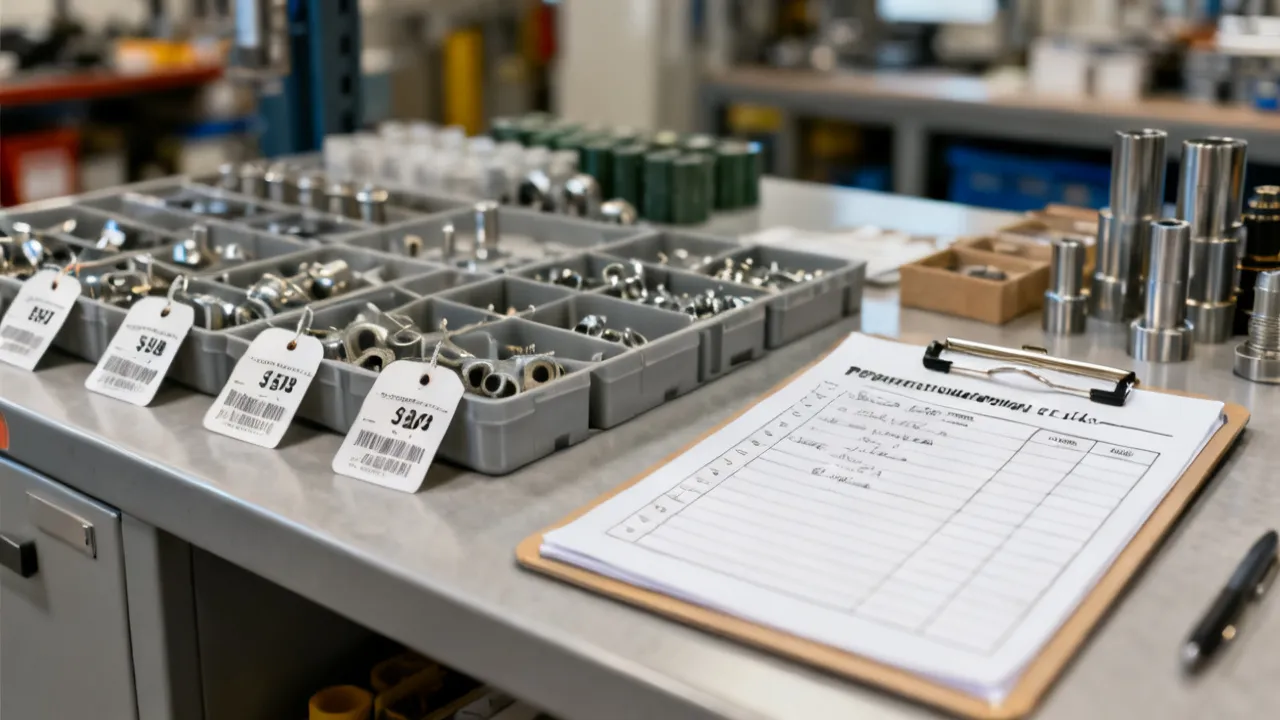
This guide explains what “Hjy” typically signals in procurement workflows and how to approach sourcing terms, price considerations, and supplier qualification with objective rigor. Background context covers how industry teams interpret ambiguous codes, document requirements, and evaluate cost drivers across supply chains, supporting better decisions without relying on unverified claims.
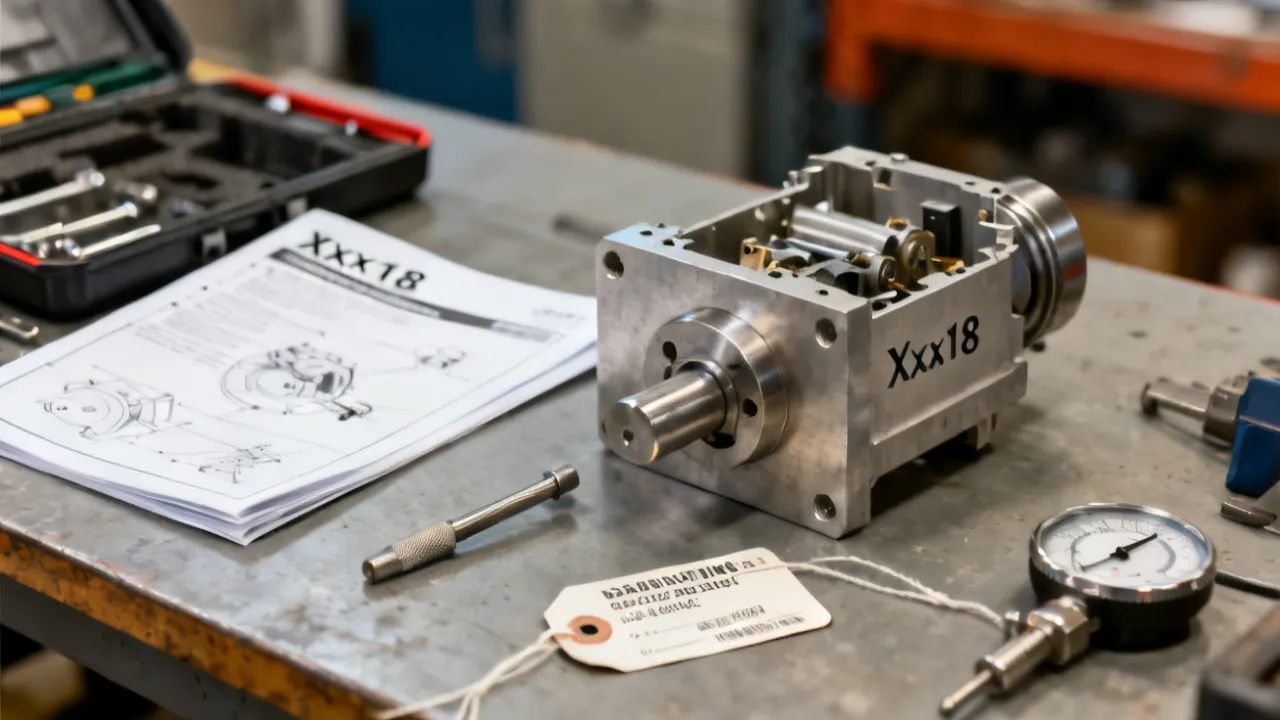
This guide explains how to evaluate Xxx18 specifications, suppliers, and procurement readiness. Objectively, Xxx18 is treated as a technical identifier used in product documentation and sourcing workflows, often tied to versioning, compatibility, and traceability. You’ll also find a practical decision framework, clear conditions for purchasing, and expert-style FAQs to reduce risk during selection.

This guide explains how XXI connects to procurement, supplier evaluation, and compliance-ready documentation in industrial operations. It reviews background concepts behind the keywords and outlines how teams typically assess suppliers, align specifications, and manage traceability for consistent output. Readers will gain a practical framework for planning, verifying requirements, and reducing operational risk.
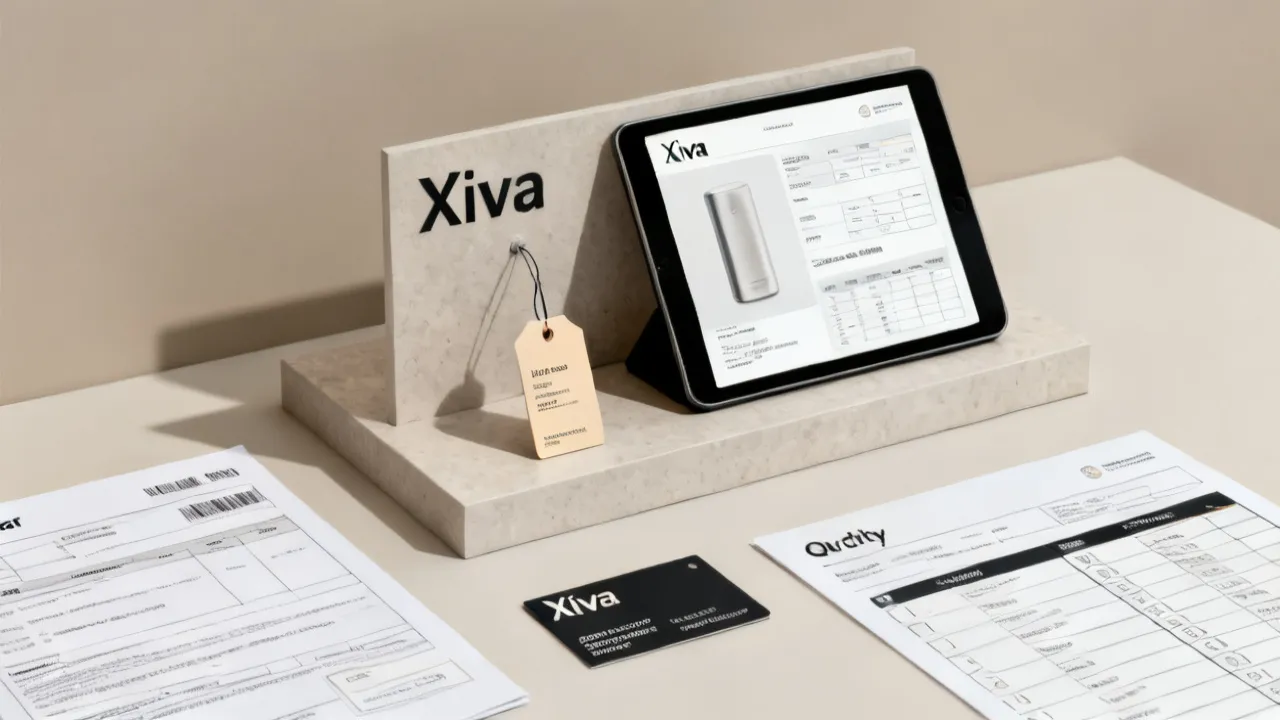
This guide explains Xiva by breaking down how it’s typically sourced, how pricing is commonly structured, and what buyers should verify before committing. Objectively, Xiva is top understood through supplier documentation, quality controls, and compatibility checks. The guide also contrasts common acquisition paths and provides a step-by-step requirements framework for informed decisions.

This guide explains how “76622193053” is commonly used as an internal reference in procurement and fulfillment planning. It outlines objective background on identifying suppliers, validating batches, and aligning logistics records. Then it compares practical sourcing approaches, including requirements and decision conditions, so buyers can evaluate options with clear documentation.
This guide explains how adult-content platforms are governed through compliance, distribution controls, and content-moderation practices. It also discusses why “P0rn0” (used here only as a keyword term) is frequently associated with risk management rather than simple access. Objectively, it reviews background concepts such as platform responsibility, age assurance, and safer browsing expectations.

This guide explains how adult-content services manage access, compliance, and user safety, with an objective focus on search terms like P0rn0. Background context reviews why filters, age assurance, and moderation matter across platforms, and how buyers and suppliers handle risk. It also highlights practical requirements and decision factors for safer, policy-aligned environments.

This guide explains how to recognize and reduce exposure to harmful online adult content, including “P0rn0” material, while improving safety habits. Background-wise, we discuss why such content circulates online, how platforms moderate it, and what users can do to protect minors and themselves. The focus remains objective: privacy, security, legal compliance, and practical risk controls.
