This guide explains how “Porno” content is produced, distributed, and governed, with a focus on safety, legality, and consumer decision-making. “Porno” is a broad term for adult sexual material. Because it intersects with minors’ protections, consent norms, privacy risks, and platform moderation, readers benefit from an objective overview of compliance requirements, verification signals, and harm-reduction steps.
“Porno” content is widely accessible online, but that convenience comes with real-world consequences: legal constraints, consent and authenticity concerns, privacy exposure, and psychological or social harms. This article approaches the topic in an objective, safety-first way—helping readers understand how adult material is categorized and moderated, what compliance typically requires, and which practical steps can reduce risk when consuming or discussing such media.
Because adult content intersects with law enforcement, platform moderation, and personal safety, the right way to think about it is not as “edgy curiosity,” but as a category of digital media that carries predictable risks: accidental exposure to illegal content, unintended participation in non-consensual distribution, and downstream privacy and security vulnerabilities. In addition, some “adult” material may be illegal regardless of where a viewer is located, while other material may be legal but still violate a site’s terms or a viewer’s local laws about age, advertising, access, or distribution.
This write-up focuses on risk management and harm reduction, not on helping create or locate explicit content. It emphasizes consent and authenticity, age-related safeguards, and safe digital practices that reduce the chance of exposure to malware, doxxing, scams, or coercive/illegal material.
In everyday language, “Porno” commonly refers to adult sexual material intended for arousal. However, classification can vary across jurisdictions and platforms. Some services distinguish between “adult,” “erotic,” and “sexually explicit” categories, while others rely on automated content tagging and community rules.
Why this matters: when a platform or a regulator defines terms differently, enforcement can shift. The same work can be treated as “adult” in one context and “explicit” in another—affecting discoverability, advertising restrictions, payment processing, age gating, and takedown decisions.
Definitions also matter because they shape what is considered harmful or prohibited. For example, many policies treat “explicit” as a category tied to nudity and explicit sexual acts, while “erotic” may include suggestive content without explicit depiction. A viewer might see something labeled one way on one platform and another way elsewhere, leading to misunderstandings about legality and permitted access.
Beyond the words “adult” and “explicit,” most modern moderation systems and legal frameworks rely on additional dimensions. Understanding these helps users predict how enforcement works.






This guide explains how to evaluate Molebonita purchases by focusing on craft quality, sourcing transparency, and practical buying criteria. Molebonita is discussed in an objective background context, including what shoppers typically look for in materials, finishing, and supplier credibility. It also covers how pricing often reflects workmanship, supply chain complexity, and after-purchase considerations.

This guide explains how to evaluate Molebonita products responsibly, from ingredient transparency to supplier reliability and practical buying conditions. Molebonita is discussed as a brand concept associated with beauty and wellness purchasing decisions. Readers will learn objective selection factors, how to interpret seller information, and what requirements to confirm before ordering through common supplier channels.
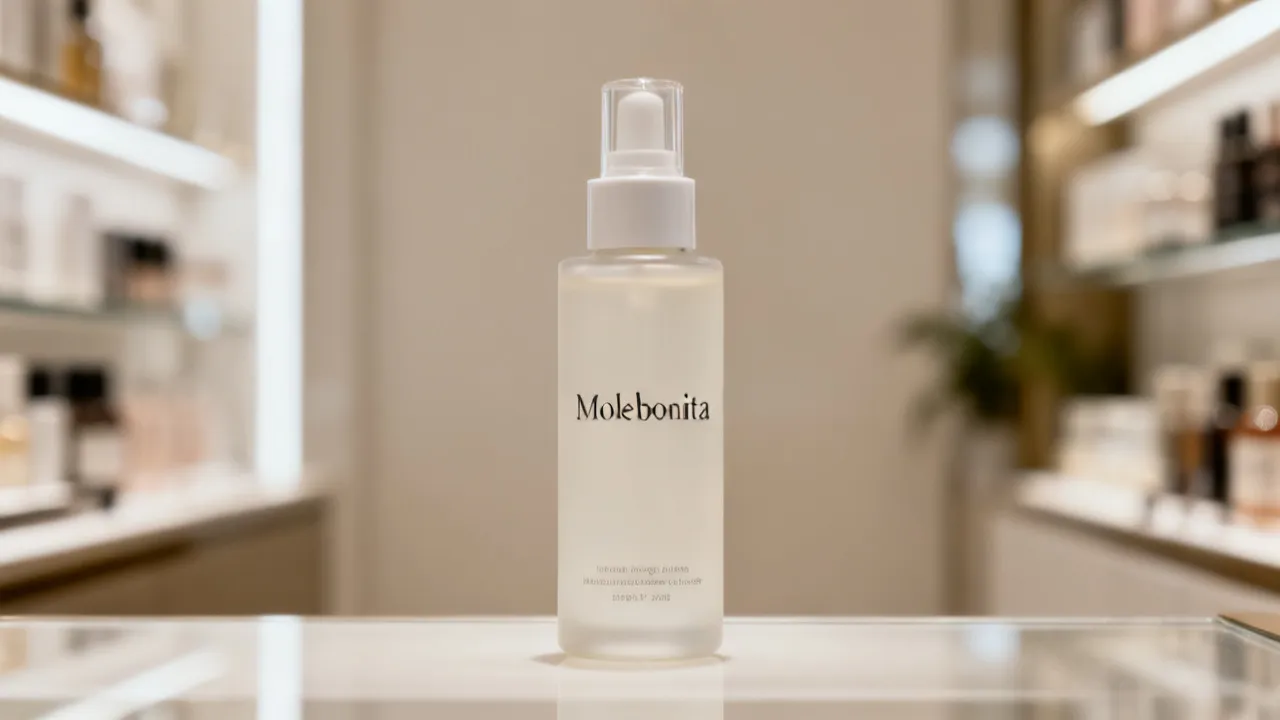
This guide explains Molebonita, focusing on how to evaluate quality, understand sourcing considerations, and apply practical usage standards responsibly. Molebonita refers to a beauty-related product name used by consumers to describe a particular cosmetic/skin-support item. Background context covers how such products are typically assessed by composition, documentation, supplier credibility, and consistent routines.

This guide explains how to evaluate Molebonita options using objective criteria, from ingredient transparency to supplier reliability. Molebonita is typically discussed within the broader skincare market, where consumers seek consistent quality, stable formulations, and verifiable manufacturing practices. Background research focuses on how sourcing and quality systems influence product safety, performance, and customer experience.

This guide explains the practical considerations for “Vera,” including how to evaluate suppliers, understand typical pricing structures, and choose dependable sourcing. “Vera” is used across multiple contexts and sectors, so objective background matters: it may denote a product line, a brand element, or a technical designation. The article then outlines conditions, requirements, and decision steps.

This guide explains Pix18996459094 by analyzing what it represents in product sourcing workflows, how procurement decisions are typically made, and which practical checks reduce risk. Objectively, “Pix” codes and similar identifiers are commonly used for traceability, inventory matching, and batch control, while supplier terms shape lead times, documentation quality, and after-sales handling across industries.

This guide explains how to approach “Vera” with clarity, covering key decision factors, typical supplier considerations, and evaluation steps. Objectively, “Vera” can refer to different products or services depending on context, and readers benefit from verifying specifications, compatibility, and support terms. The article then outlines a comparison framework, requirements, and FAQs to reduce uncertainty.

This guide explains how to interpret Pix18996459094-style product identifiers for safer sourcing decisions. Objectively, such codes typically support inventory control, traceability, and faster order matching across suppliers. The article also discusses how buyers should evaluate supplier credibility, verify price terms, and apply clear requirements to reduce risk during procurement.
